
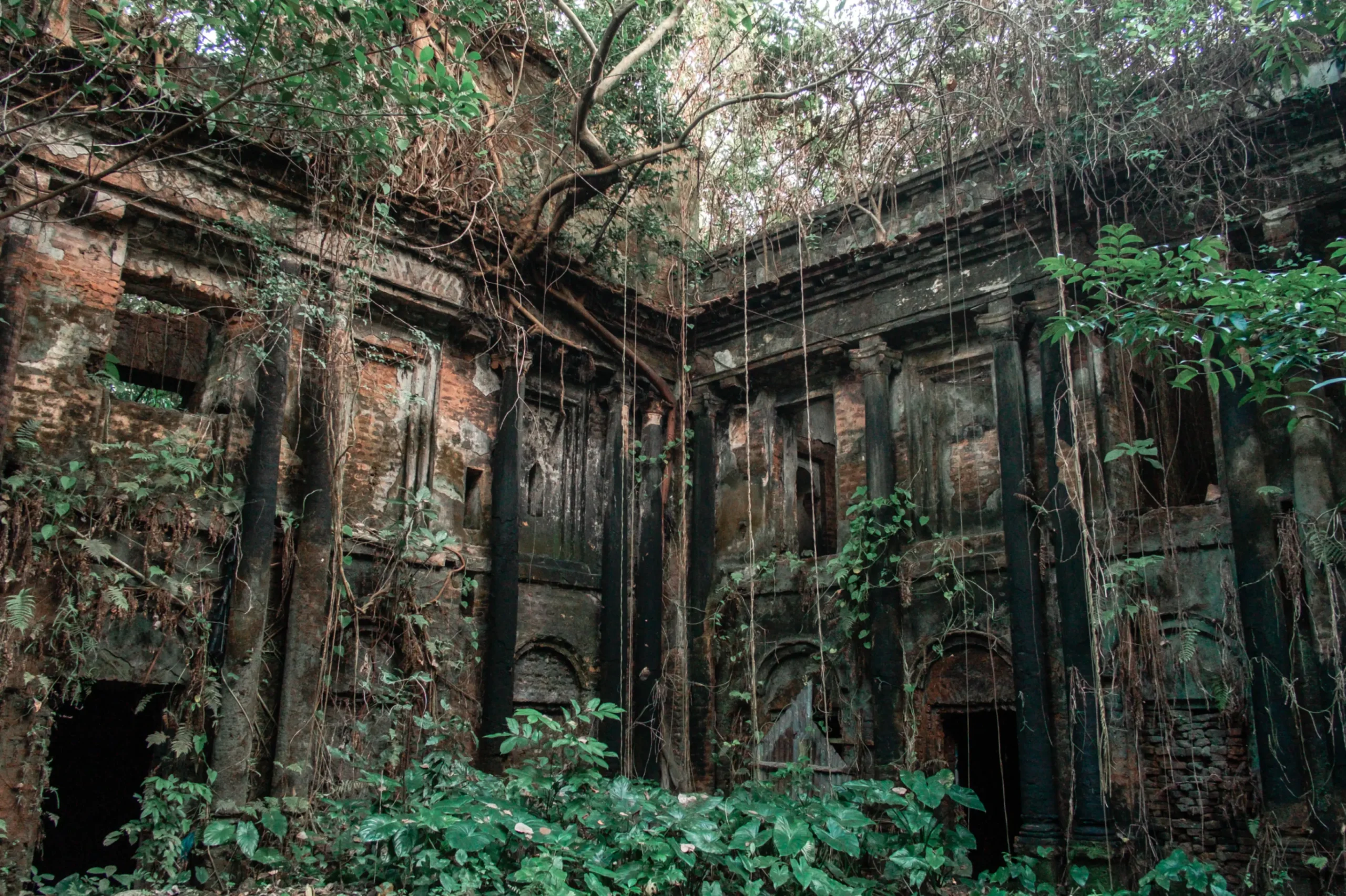
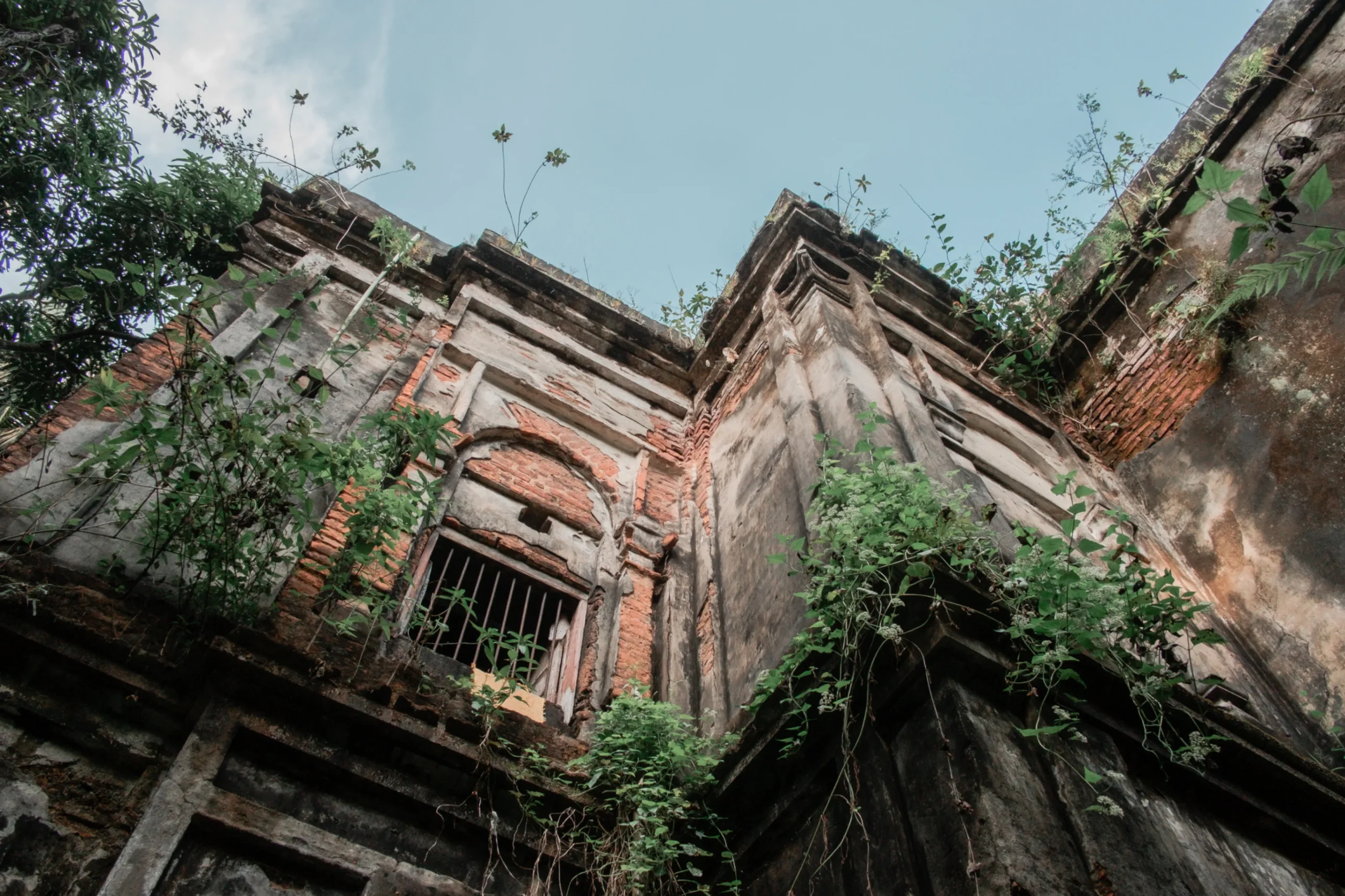
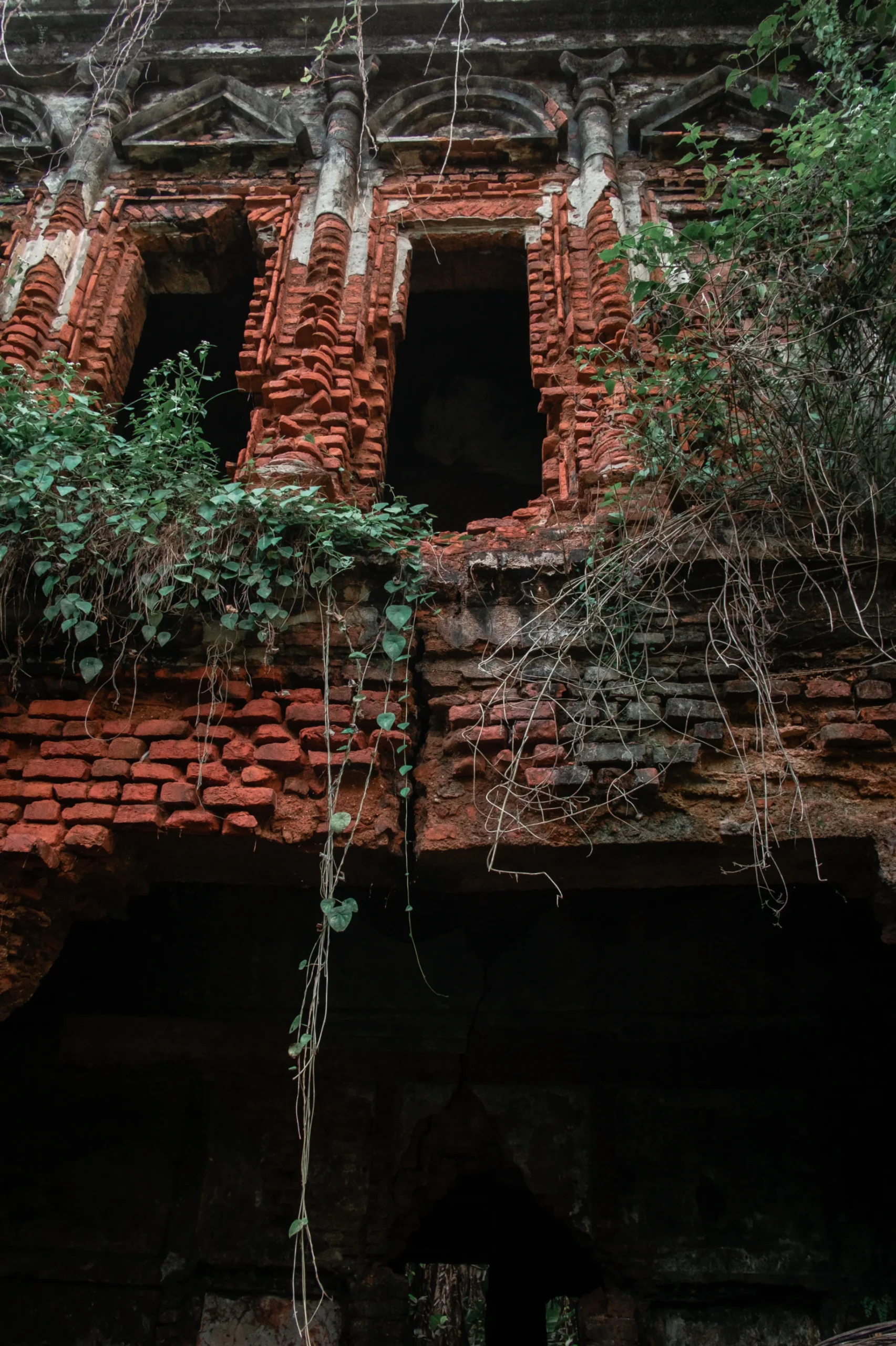
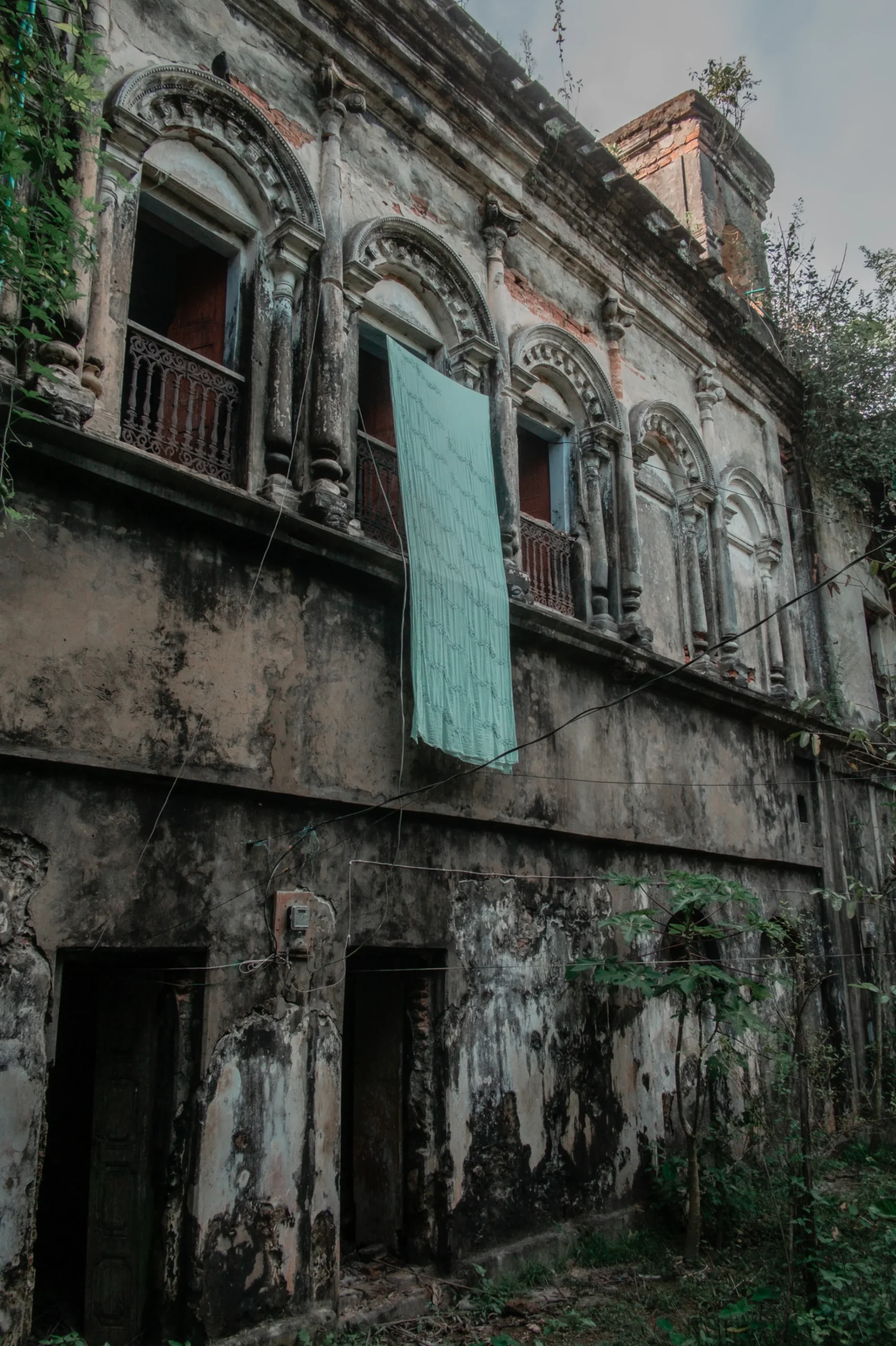
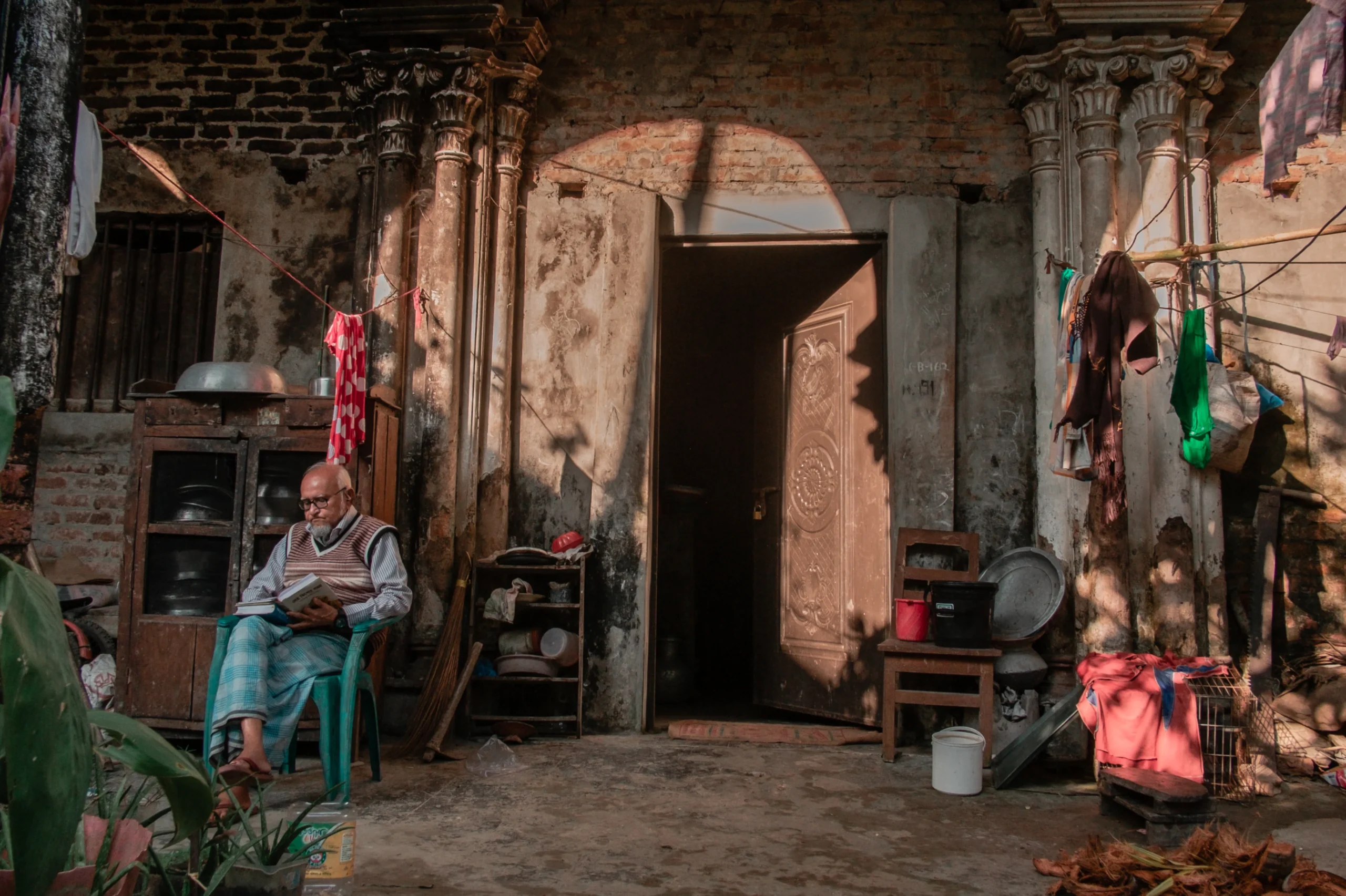

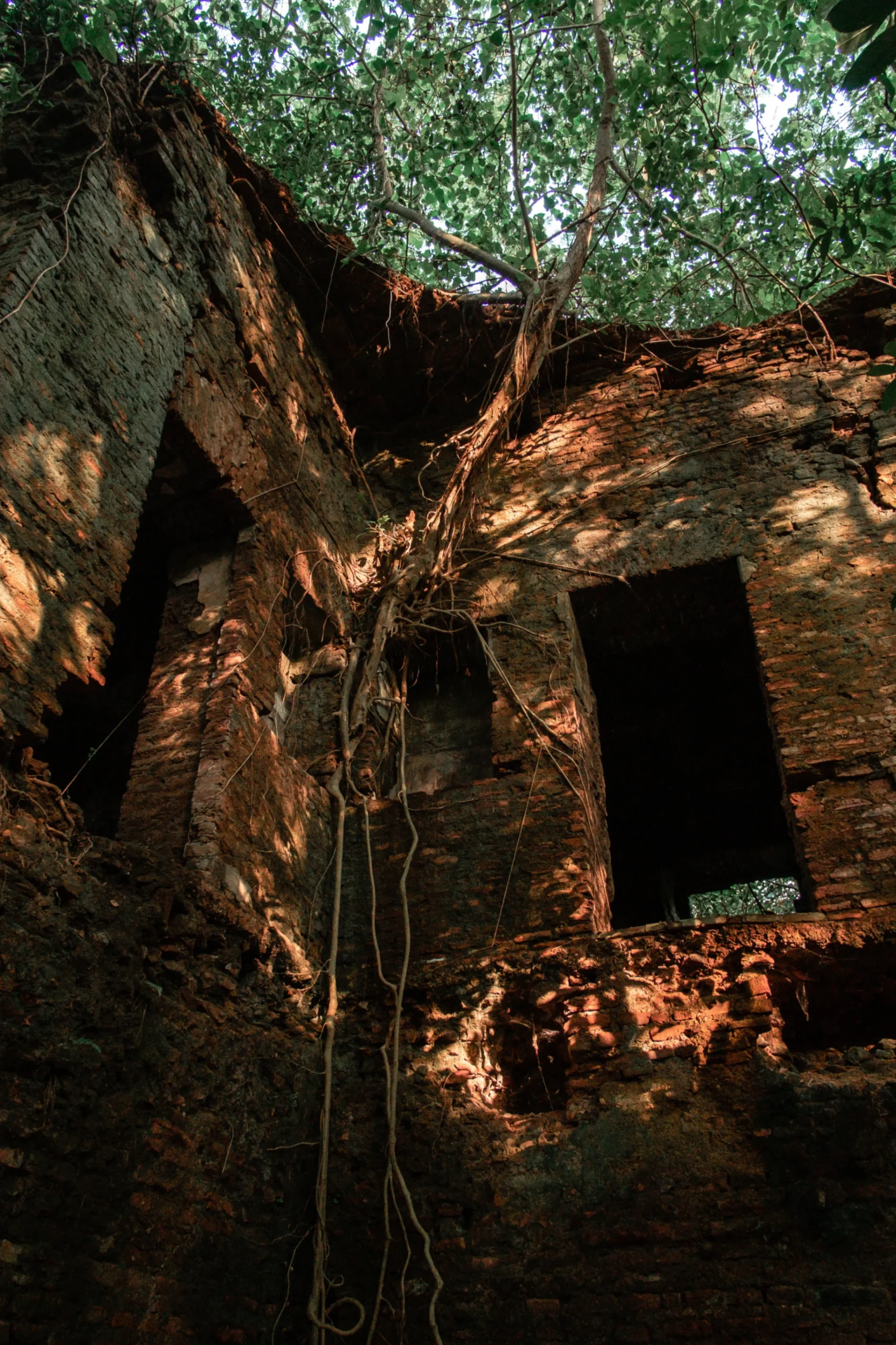
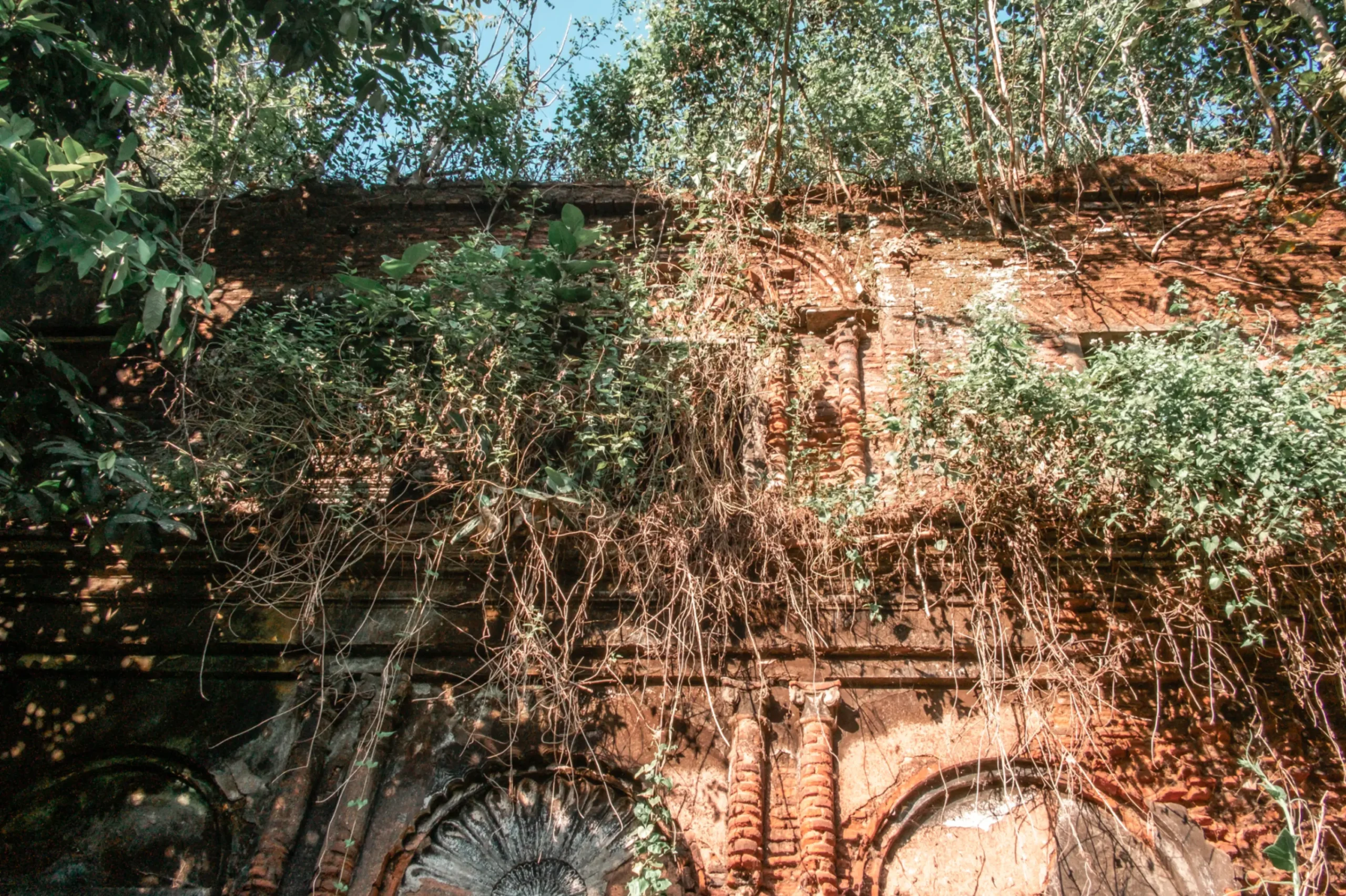


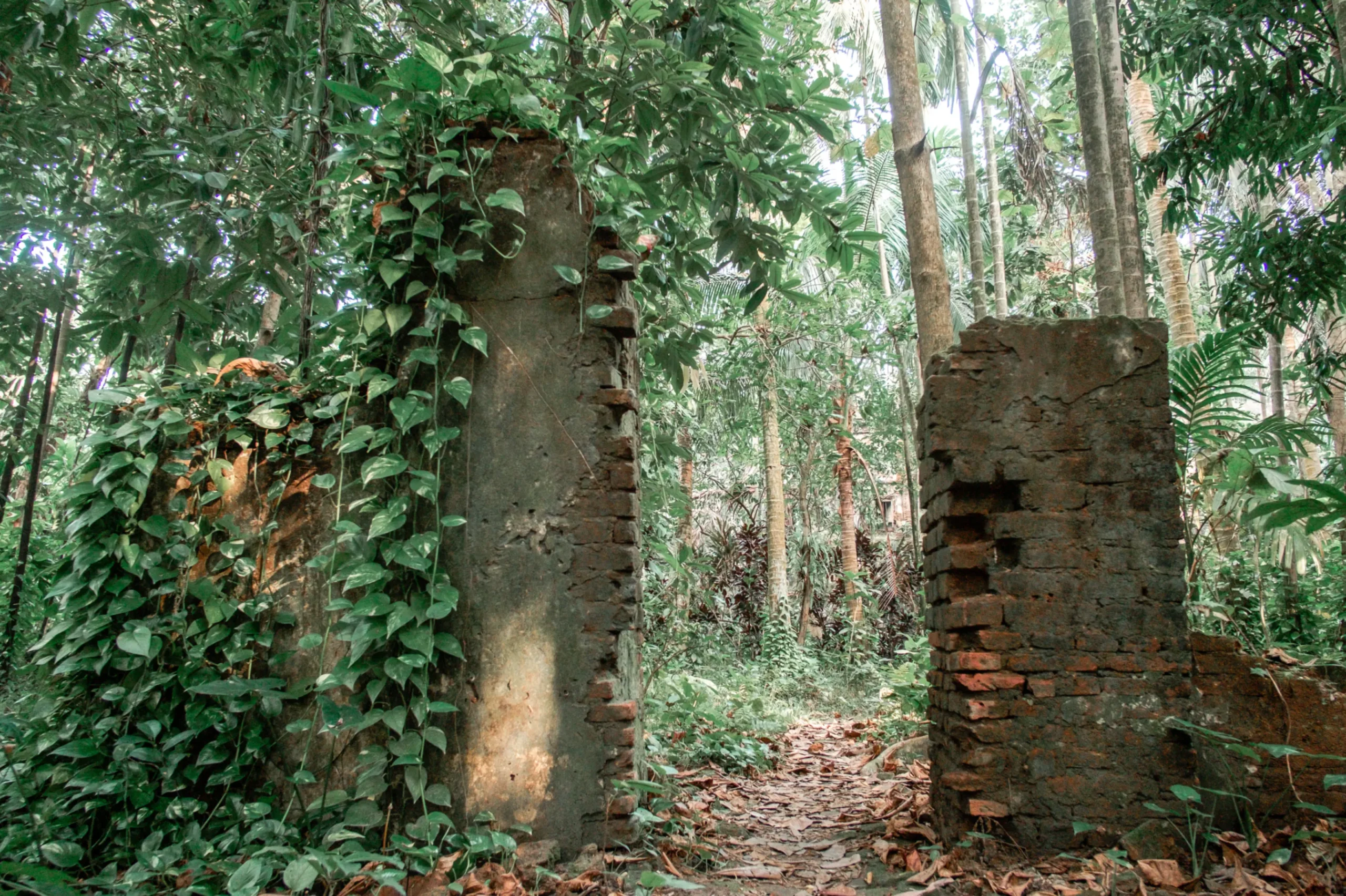

In the quiet corner of Bangladesh, where time holds its breath, the Jamidar Baris (Zamindar Houses) stand like forgotten curators of history—structures dethroned of their power yet heavy with memory.
The Jamidar Baris of Bangladesh, where land, power, and identity were closely linked, denote a distinctive historical period. Built in the colonial period, these mansions reflected the control and social dominance of the jamidar class. Yet, the structures today stand as silent markers of decay.
With the end of colonial rule, the abolition of the zamindari system, the disruptions caused by Partition displaced the landlord of these estates, leading to the instant dismantlement of their power. Many were compelled to migrate, leaving their ancestral homes to decay or to be occupied by independent residents. This course of displacement was simultaneously physical and symbolic: this trajectory resulted in the collapse of a class system, the loss of inherited power, and the erosion of cultural legacy.
The present state of these residence reveals a layered narrative: architectural glory juxtaposed against structural decay, historical significance overshadowed by cultural erasure. They symbolize both the material consequences of political turmoil and the symbolic death of a ruling class.
As architectural bones, these Jamidar Baris recite the stories of displacement and the deterioration of power. Their continued decline raises questions about memory, belonging, and the contentious preservation of history in post-colonial Bangladesh