

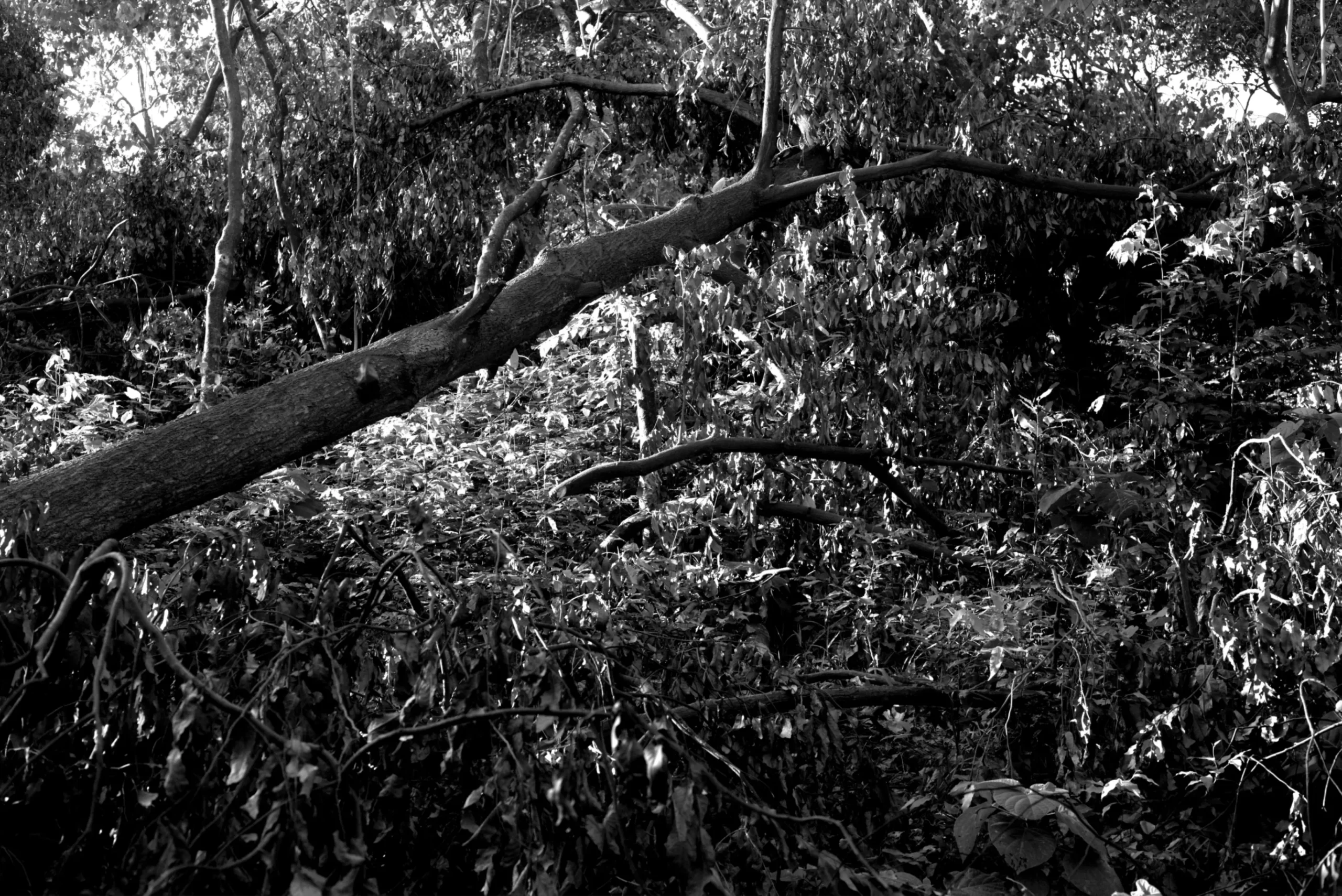
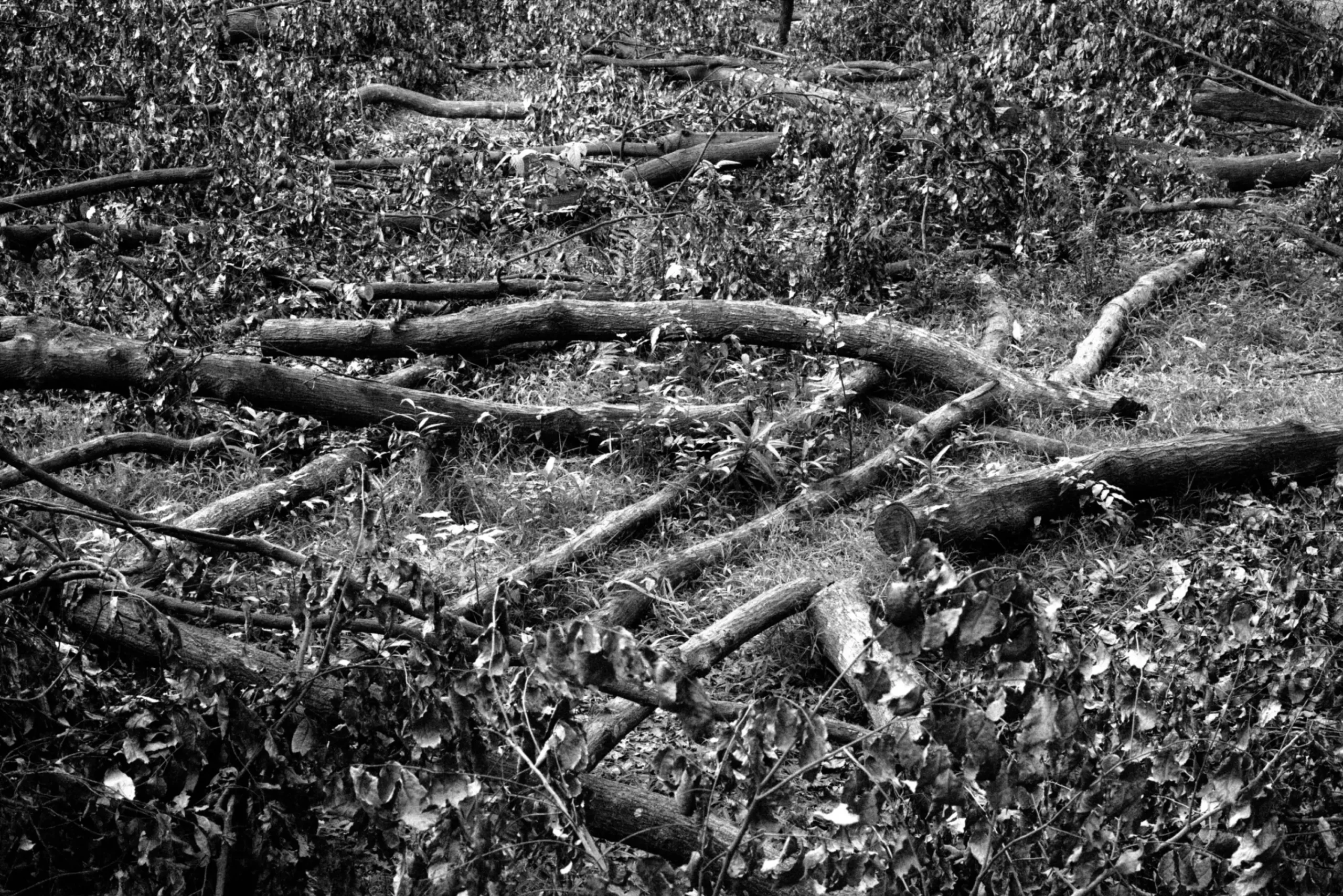
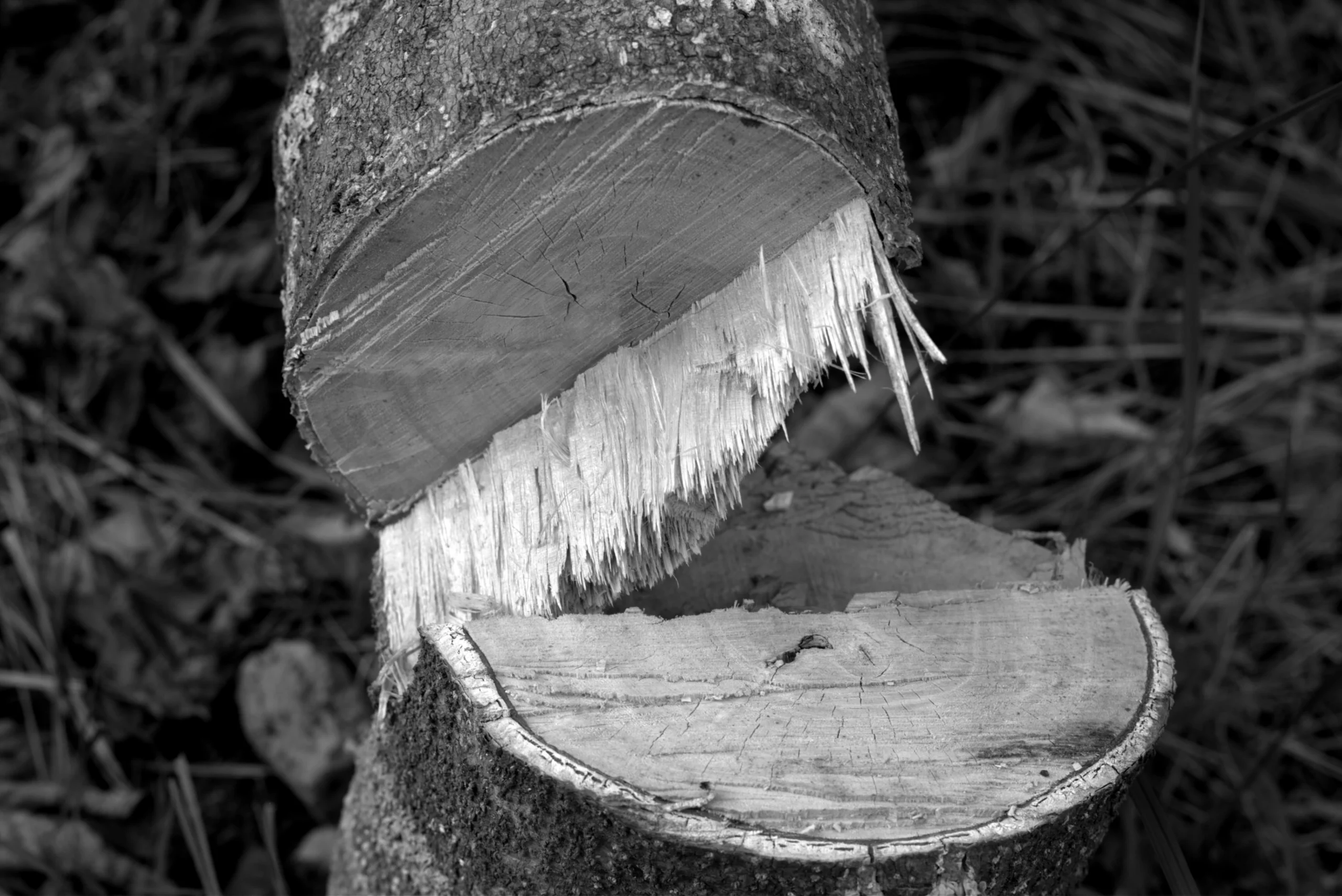
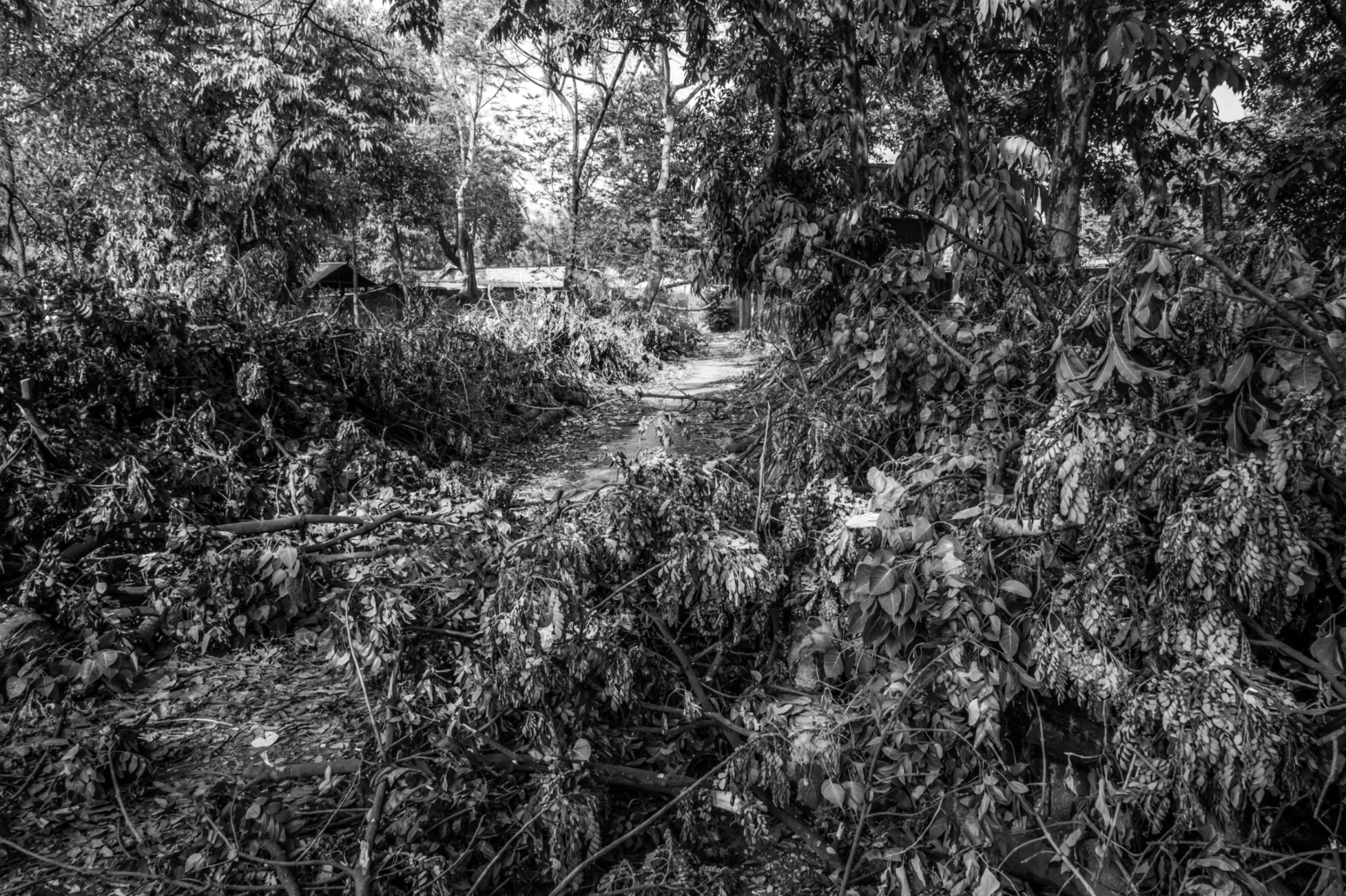
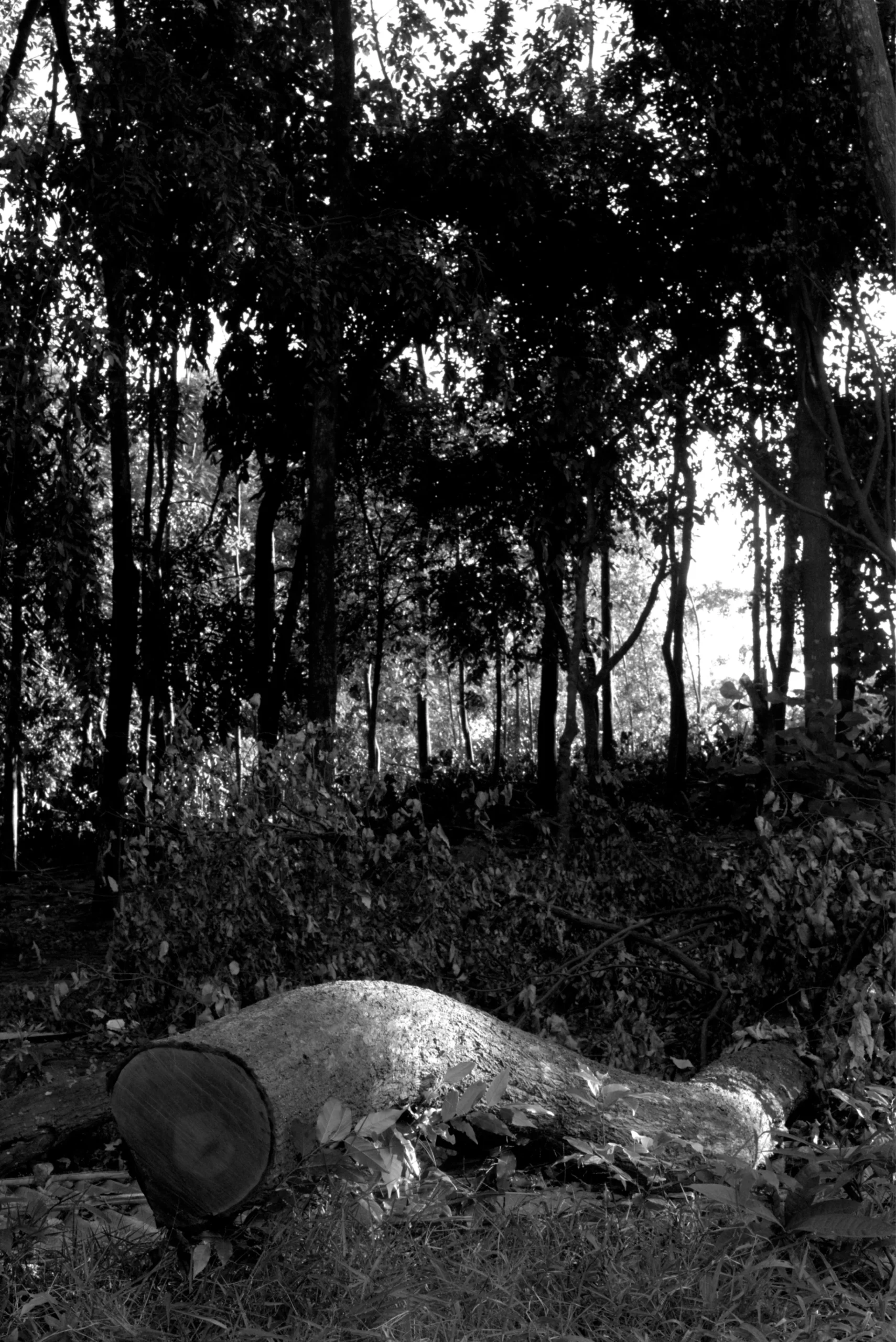
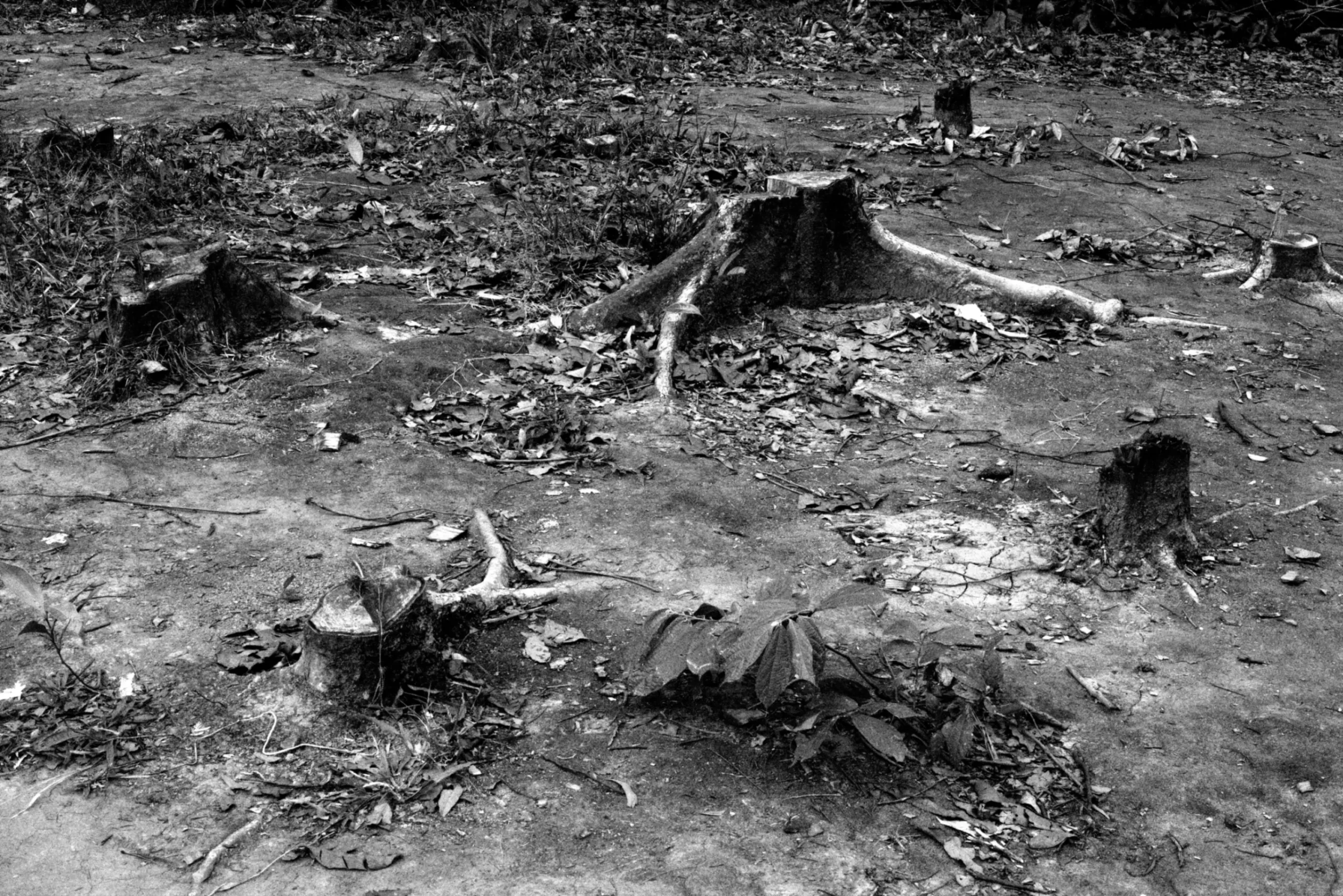
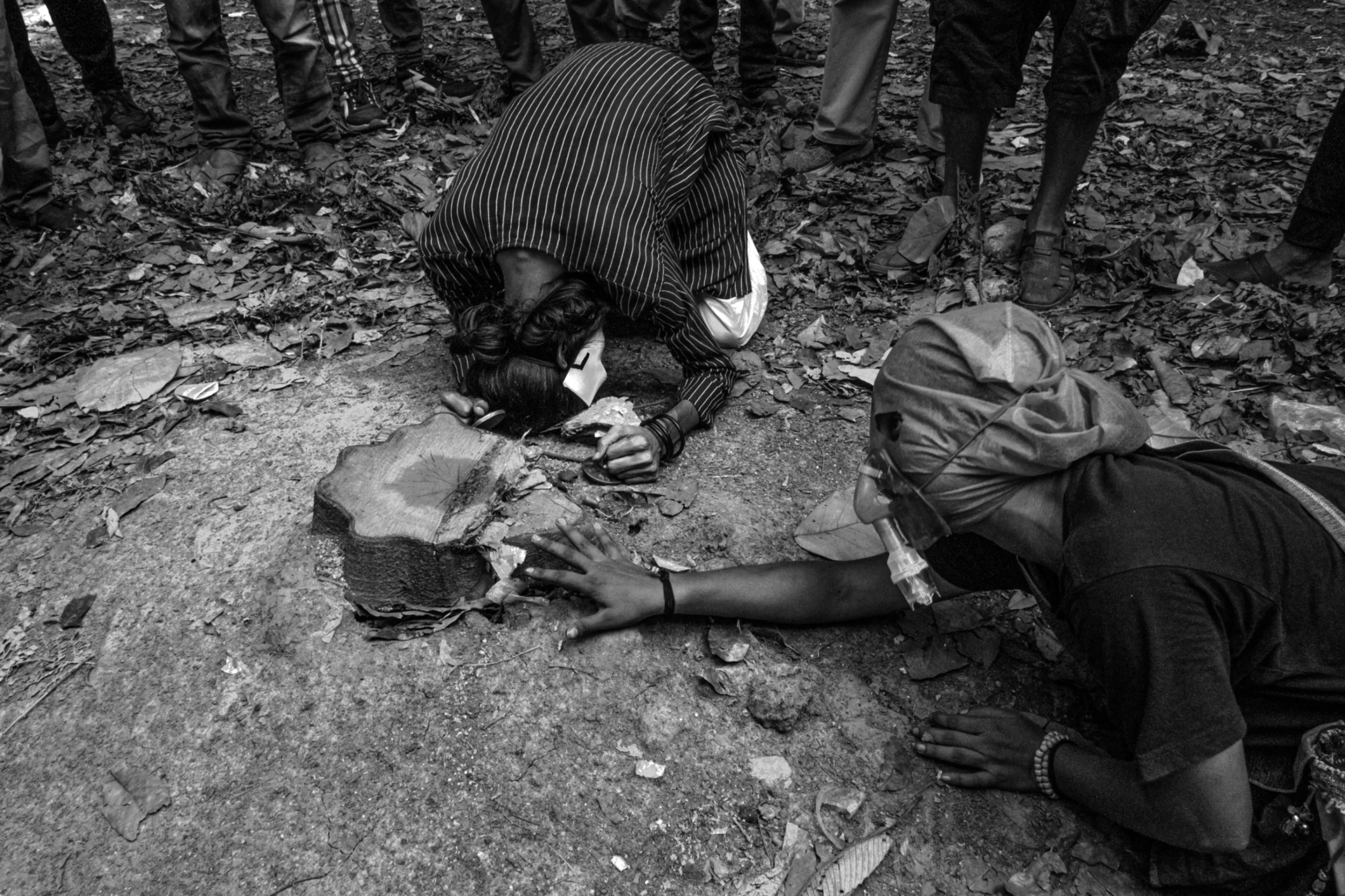
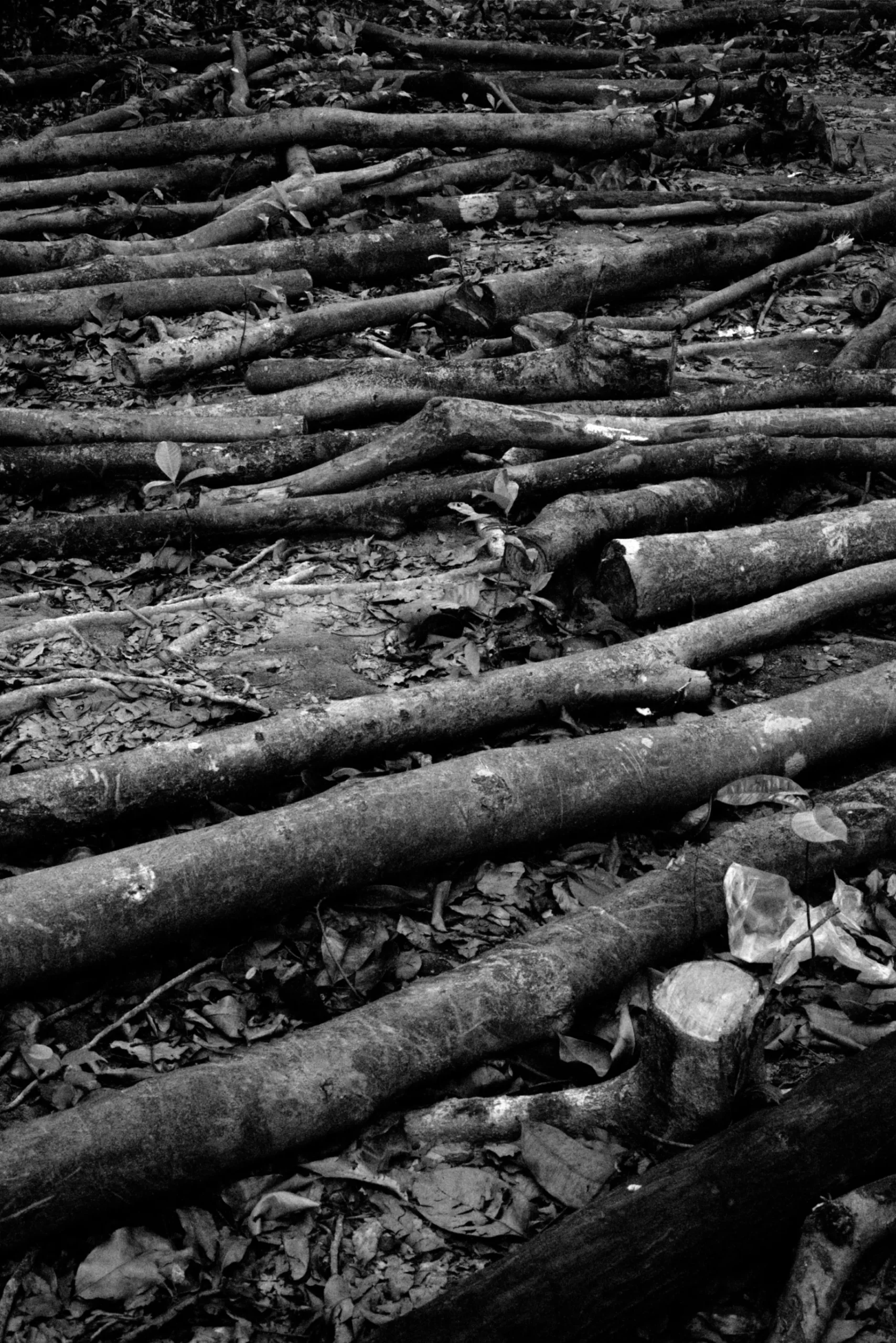
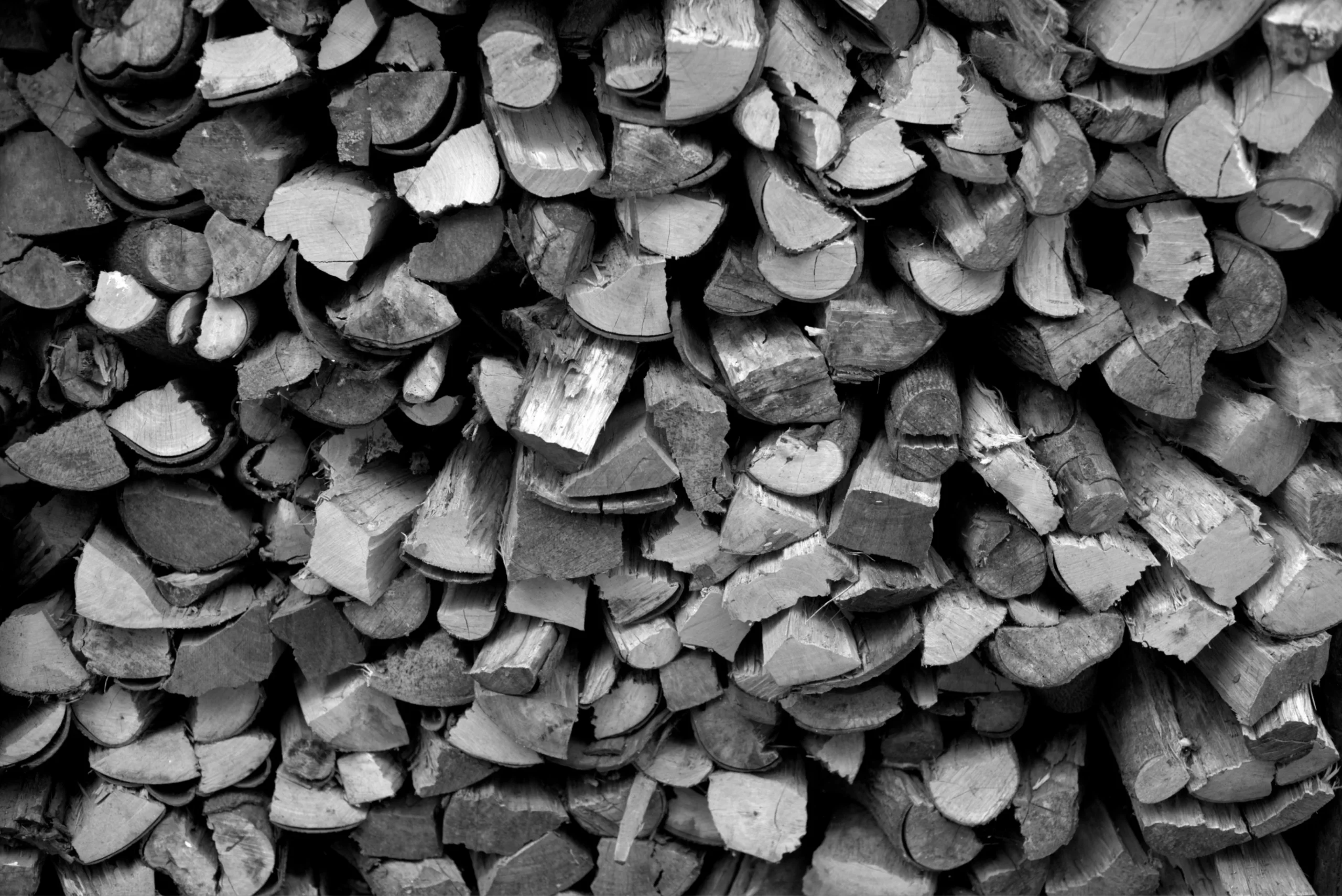
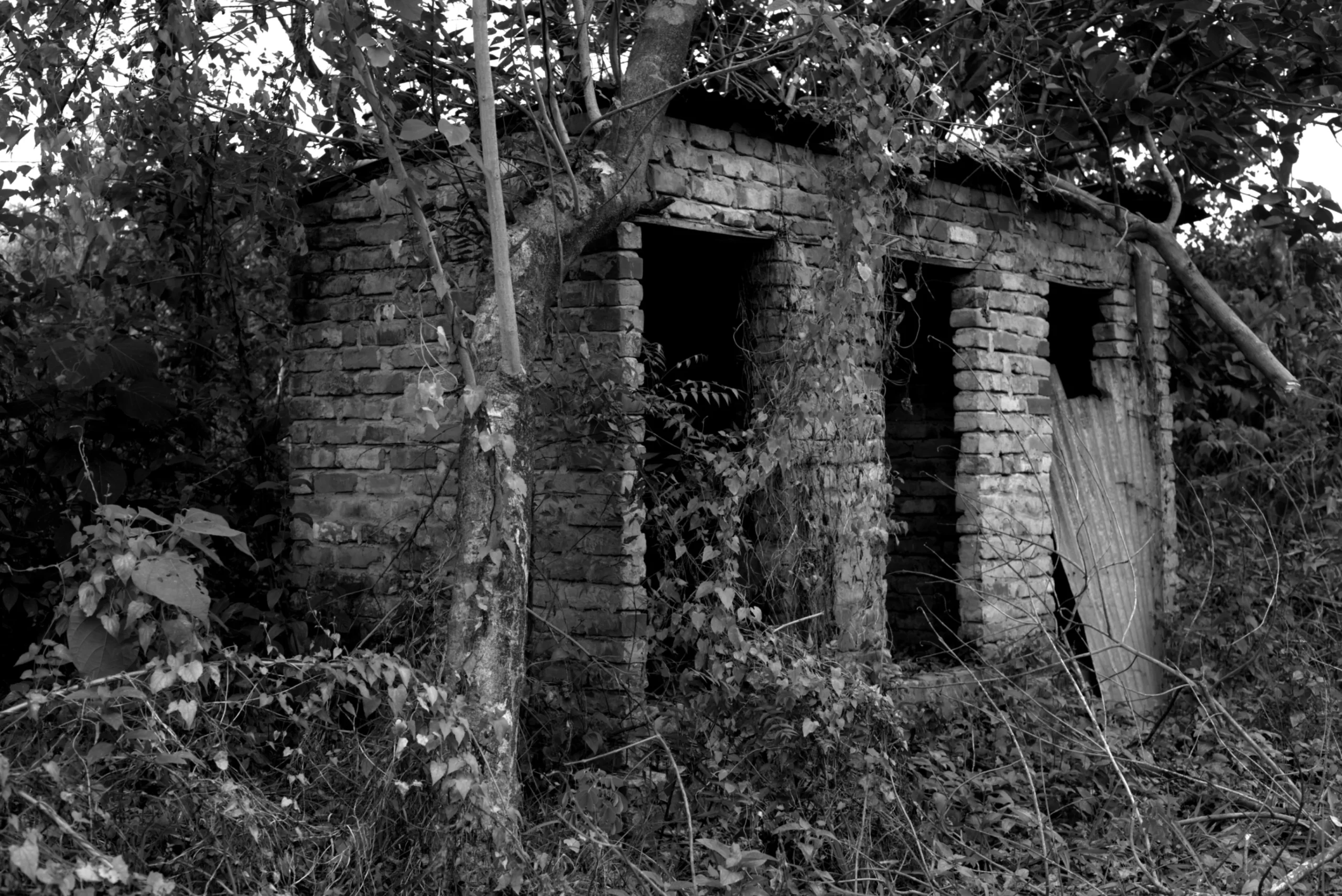
Across different parts of Bangladesh, trees are gradually disappearing-cut down, cleared, and replaced to make way for roads, housing, industry, and other forms of development. What were once dense forest edges, clusters of trees, or shaded roadside spaces are now reduced to stumps, logs, and open land.
This change is not confined to one type of landscape. In many regions, especially on the outskirts of expanding cities, sections of forest are cleared and broken apart, often leaving behind fragments of what once existed. At the same time, within urban spaces, trees that once lined streets, parks, and walkways are removed, slowly altering the character of everyday environments.
The process is often gradual. A section of land is marked, trees are cut over time, and the space is prepared for new use. In many cases, what remains are visible traces-fresh stumps in the soil, cut branches scattered across the ground, or rows of logs waiting to be transported. In many places, these scenes have become increasingly common.
As trees disappear, the impact extends beyond the visible landscape. The loss of green cover reduces natural habitats, affecting birds, insects, and other forms of life that depend on these ecosystems. These changes, though less visible, contribute to broader environmental shifts, influencing temperature, air quality, and the natural balance of local climates.
For people who live around these areas, these shifts become part of everyday life. Spaces that once provided shade, familiarity, and ecological balance begin to change, sometimes within a short period of time. The landscape is reshaped alongside the experience of living within it.