
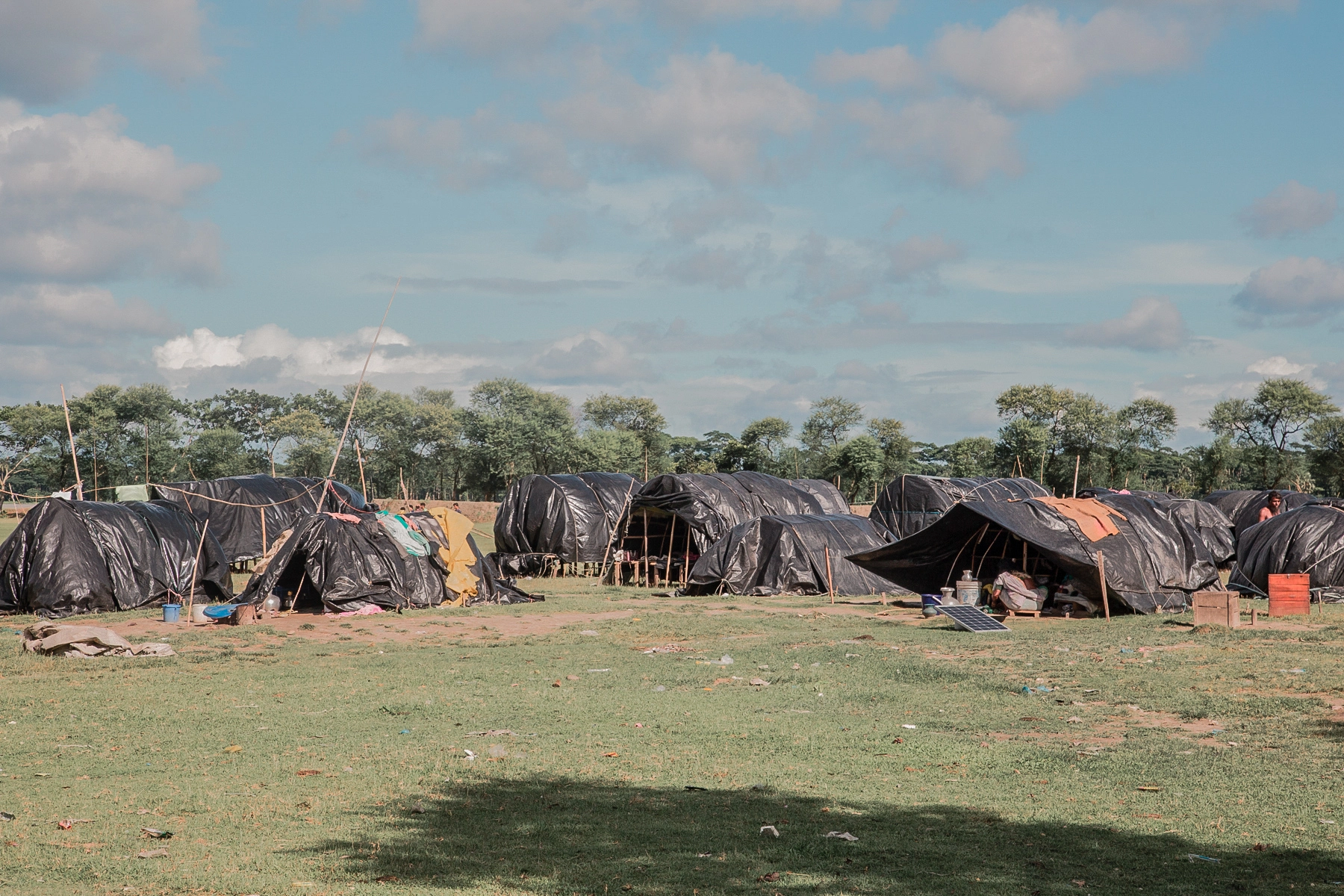

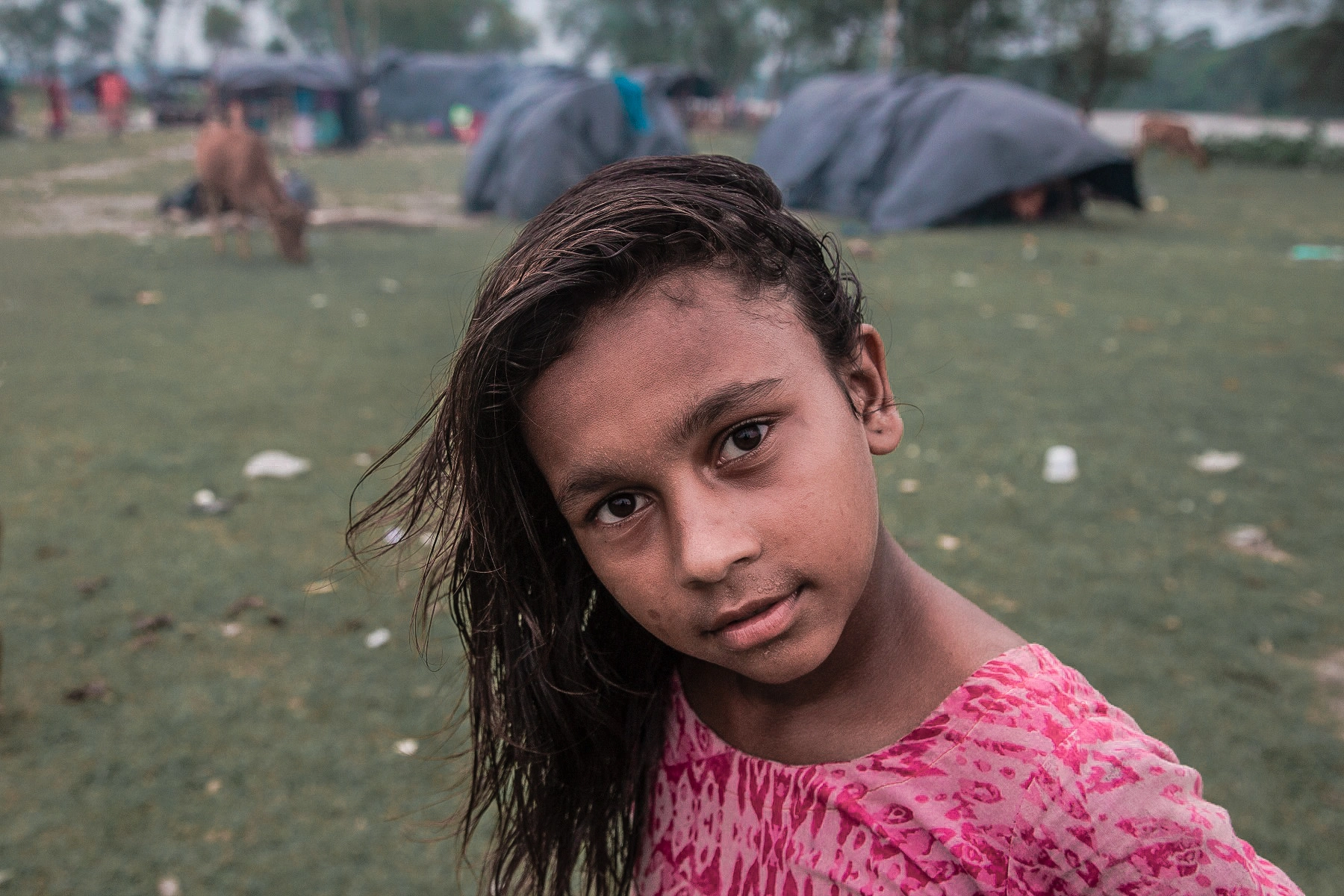
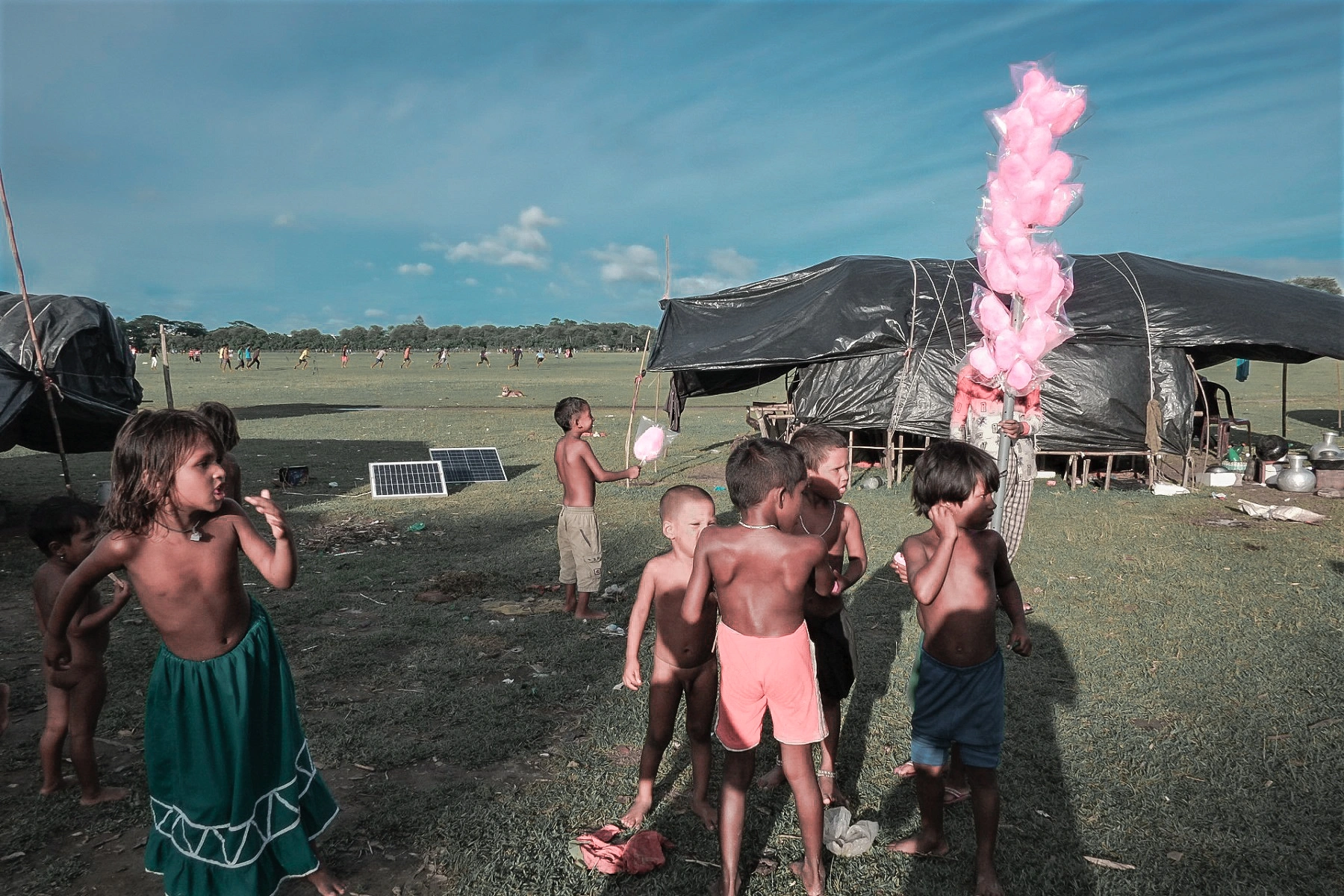
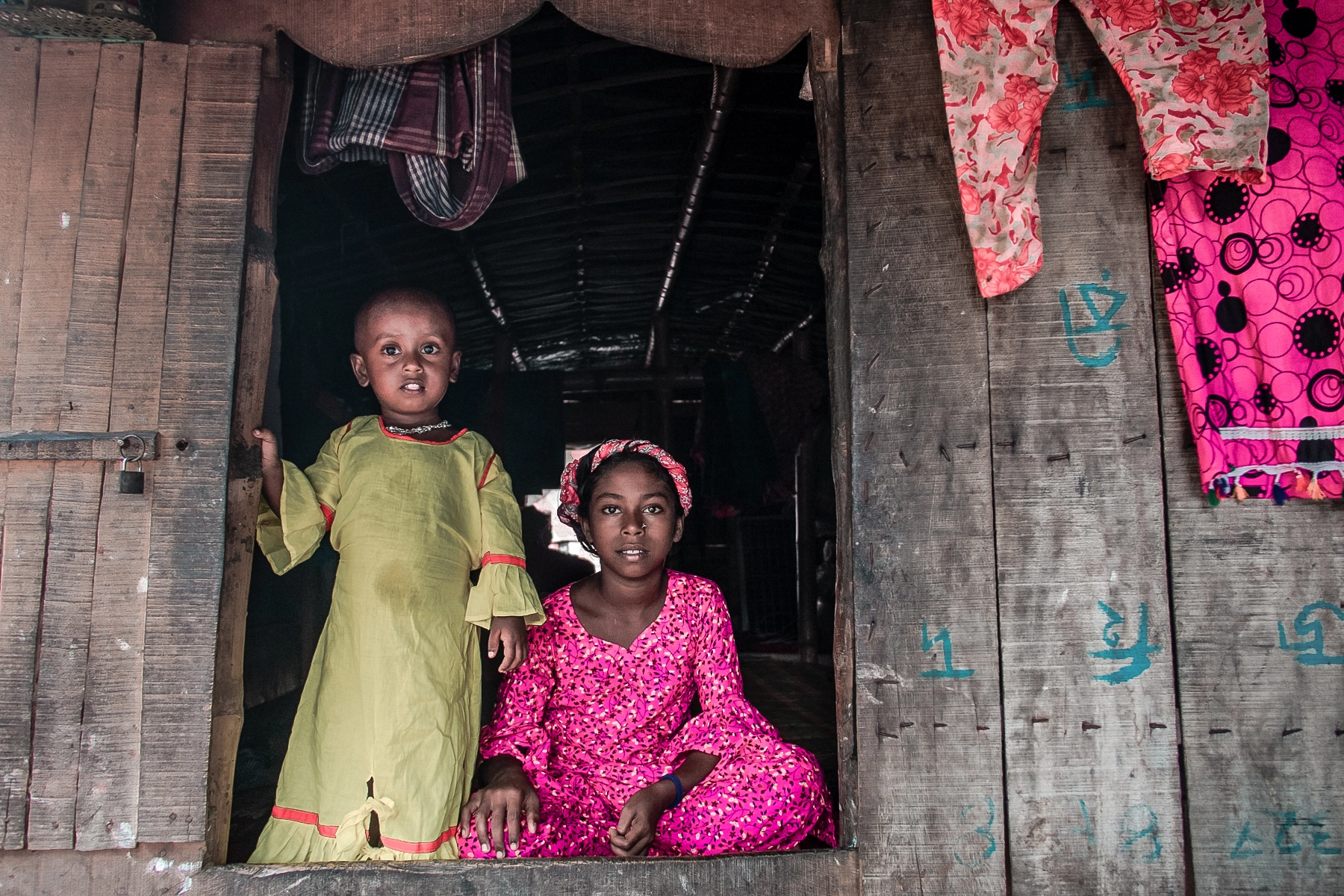
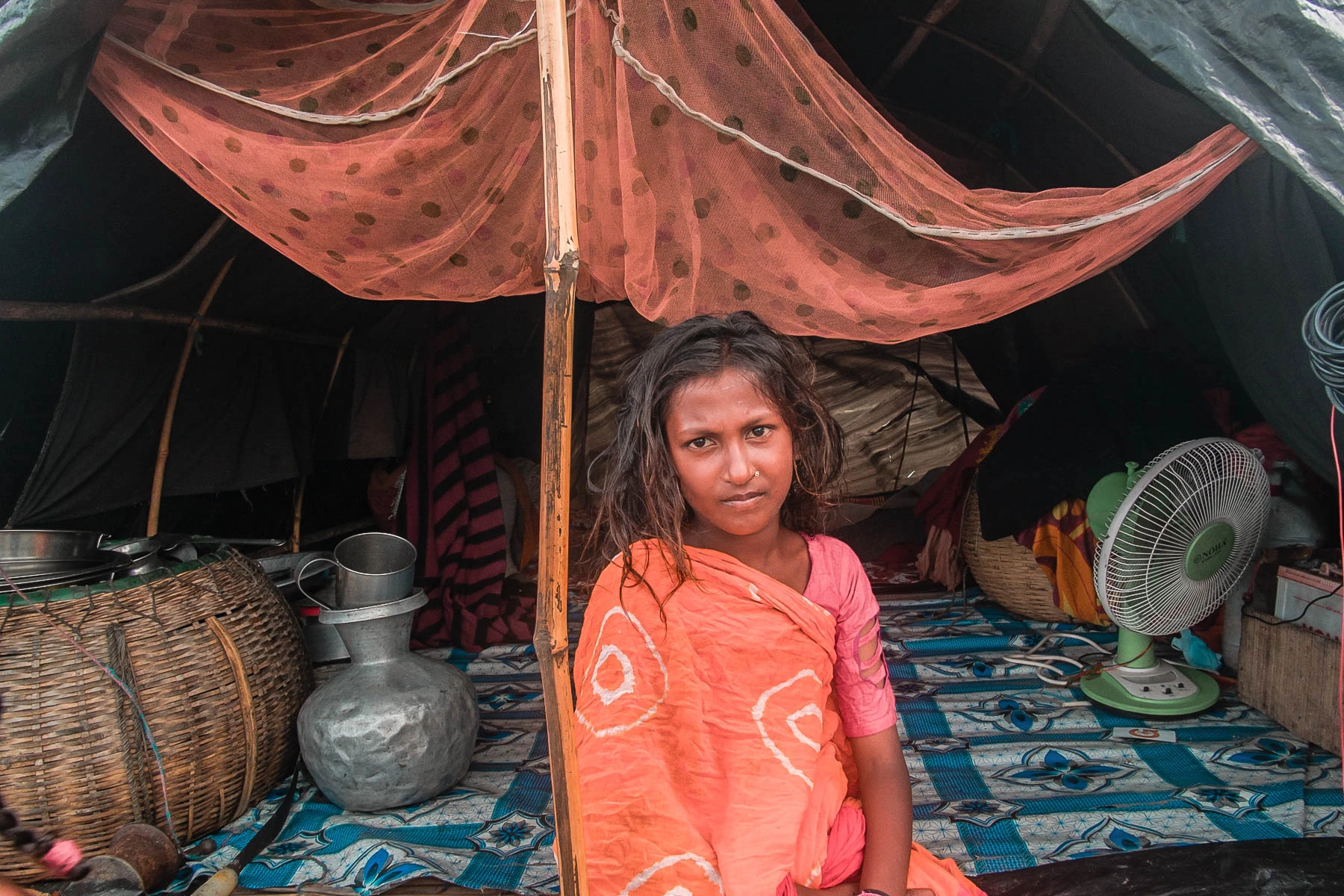
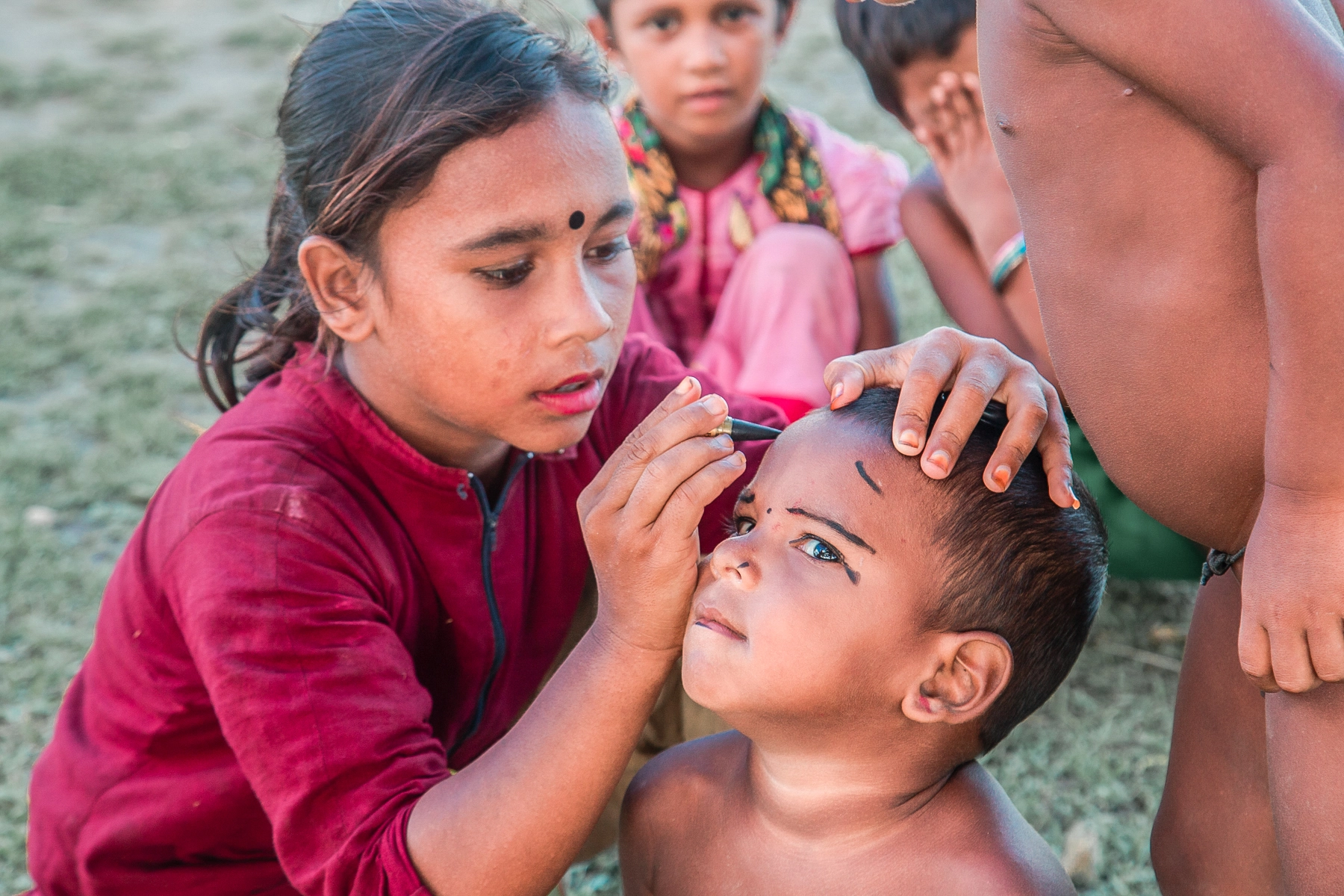
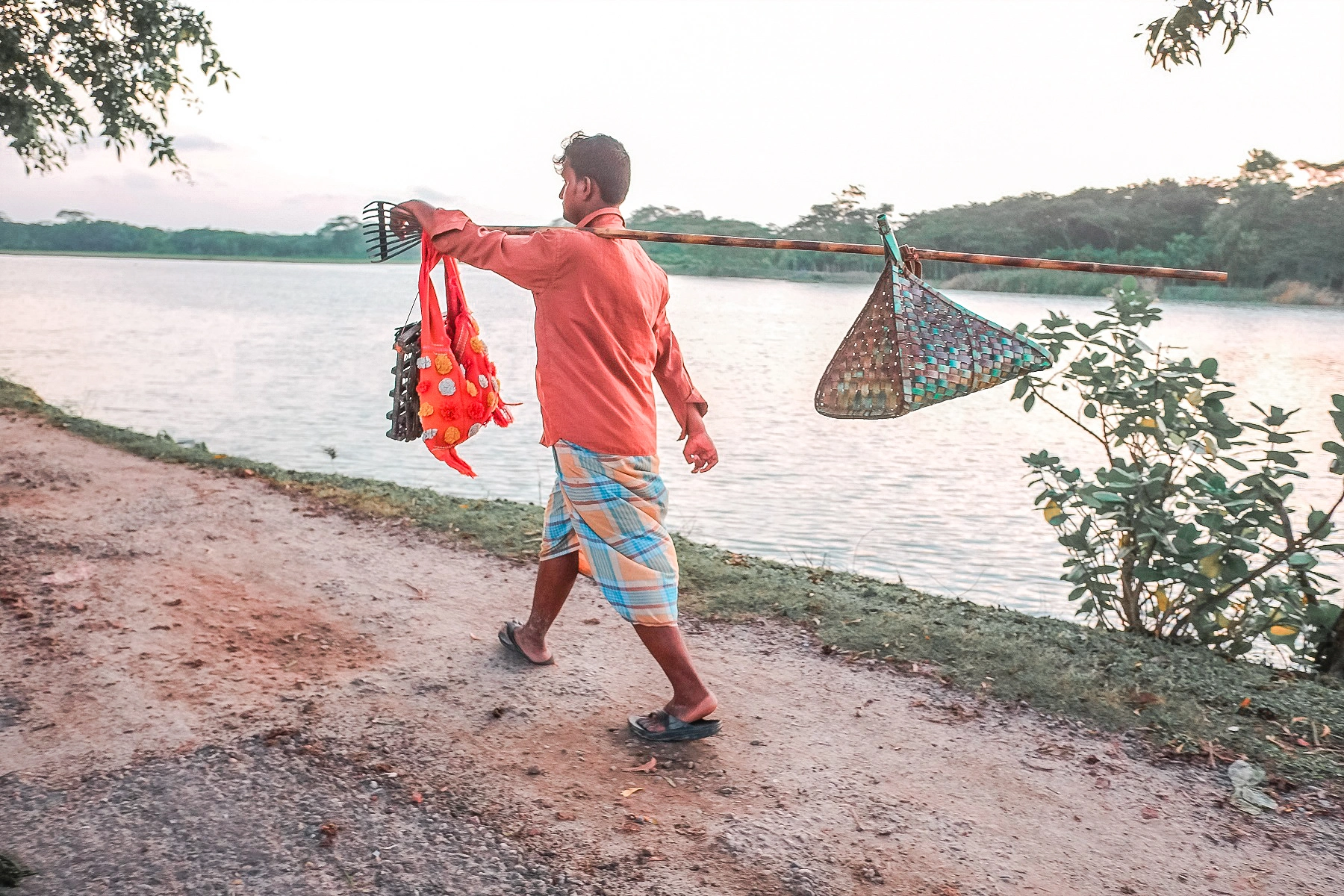



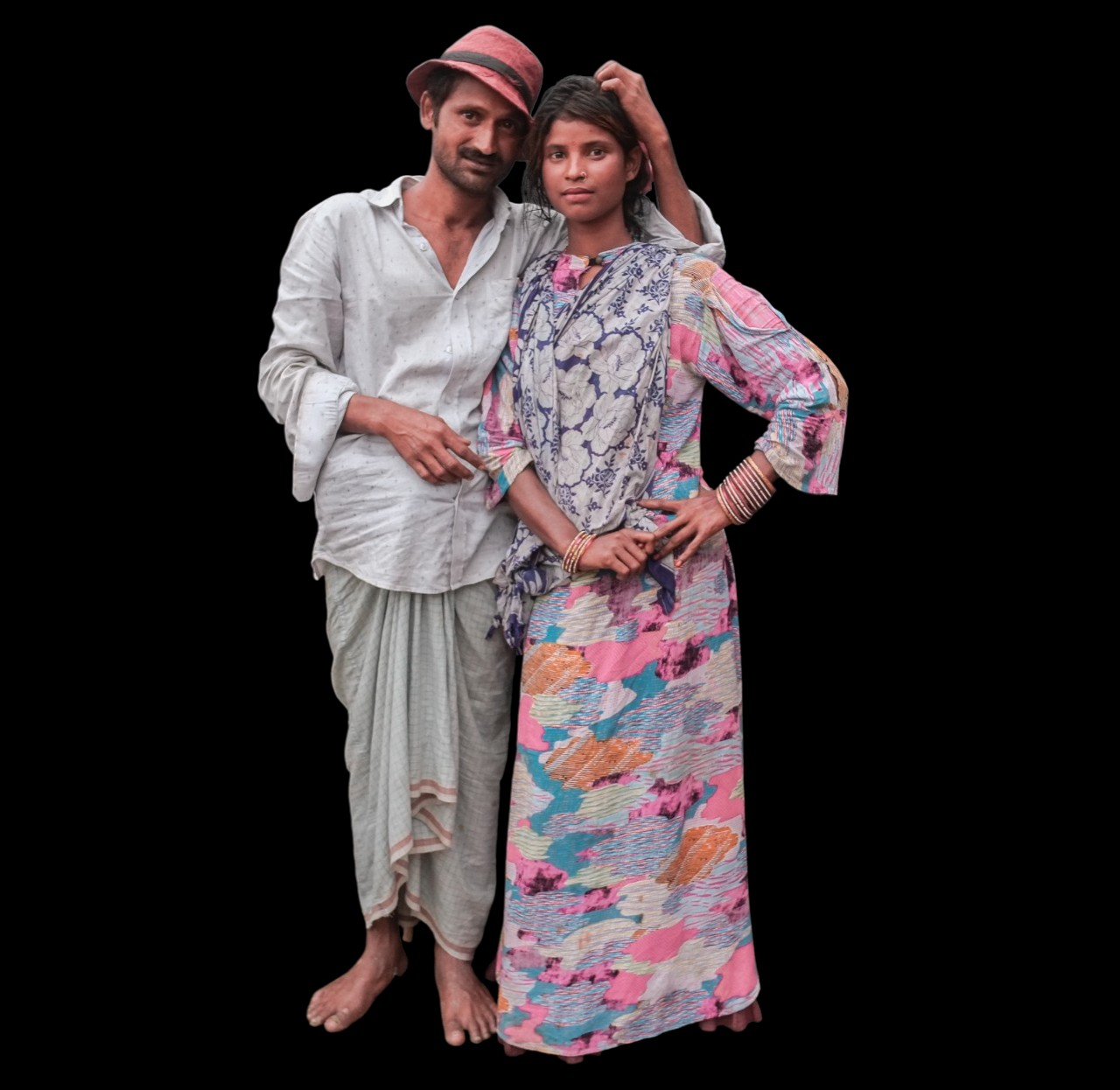
The gypsies of Bangladesh, locally known as the Bede, are an ethnic minority group who are identified for their nomadic, itinerant lifestyle. The history of the Bede may stretch back thousands of years across the southern landscape of Asia. For centuries, the Bede, truly a nomad race, remain an imperceptible population, constantly in motion, never settling in one place for more than a few weeks or months. They are hardly tied back to any land or permanent shelter. Their way of life which shaped their identity is based on constant movement rather than rootedness.
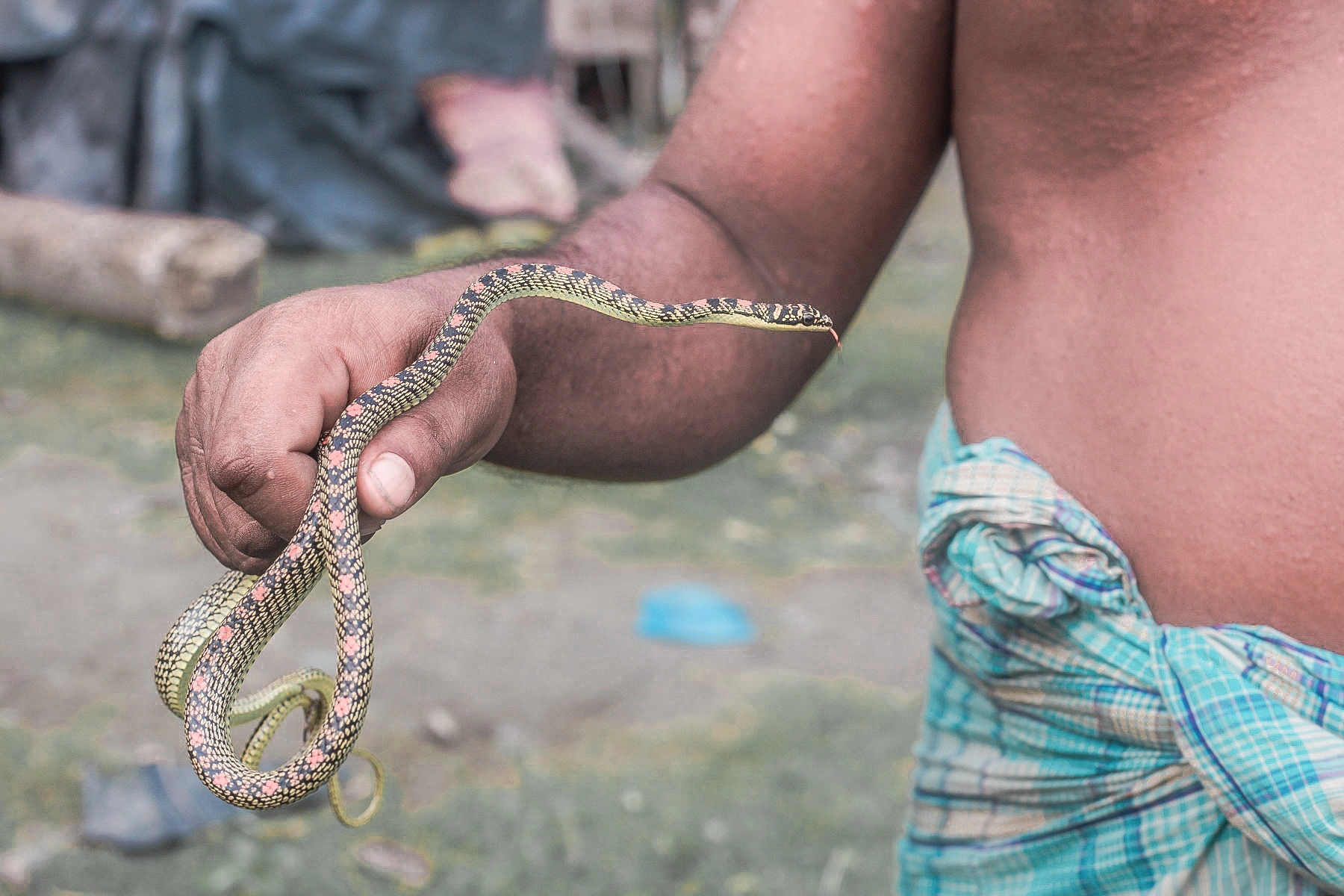
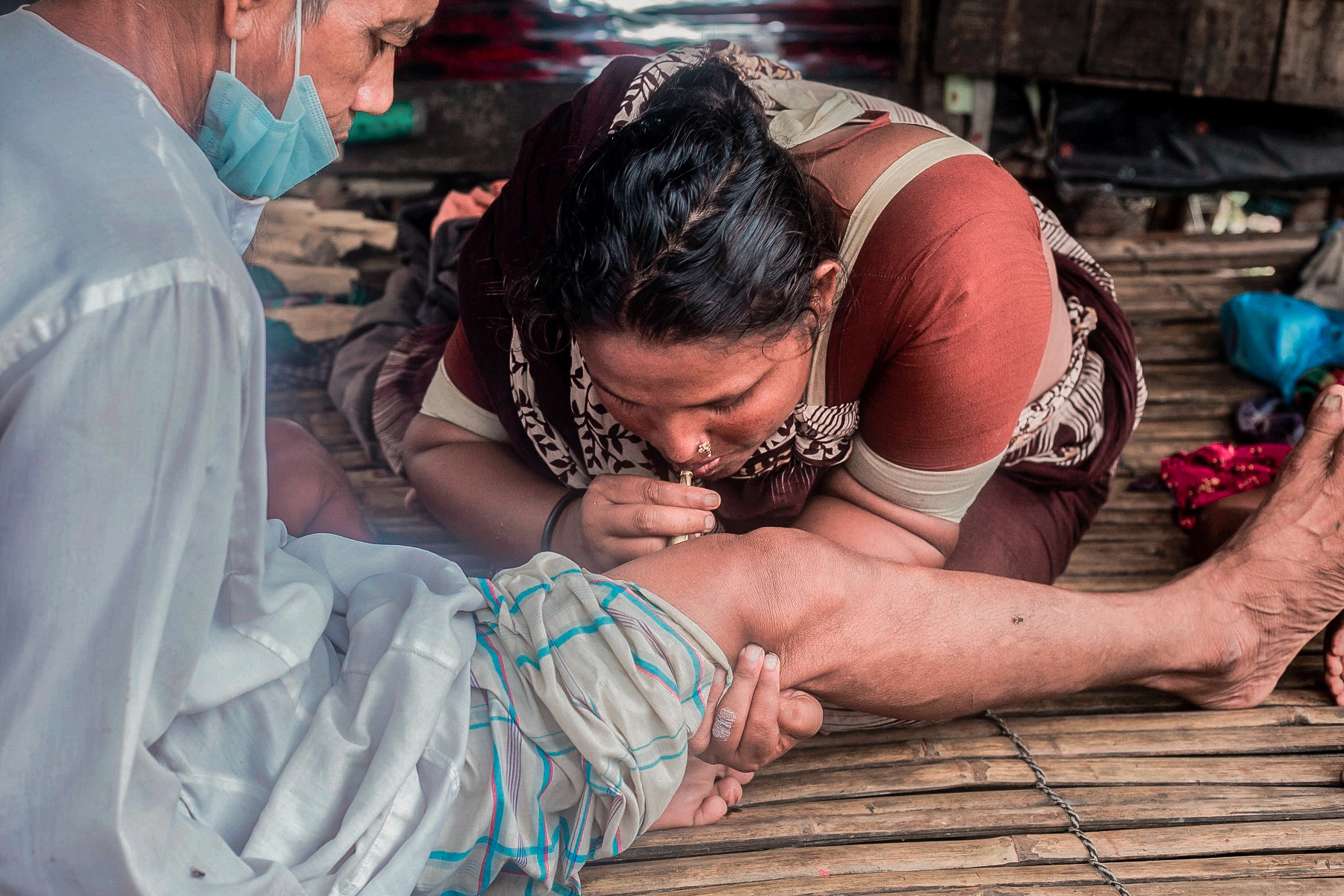
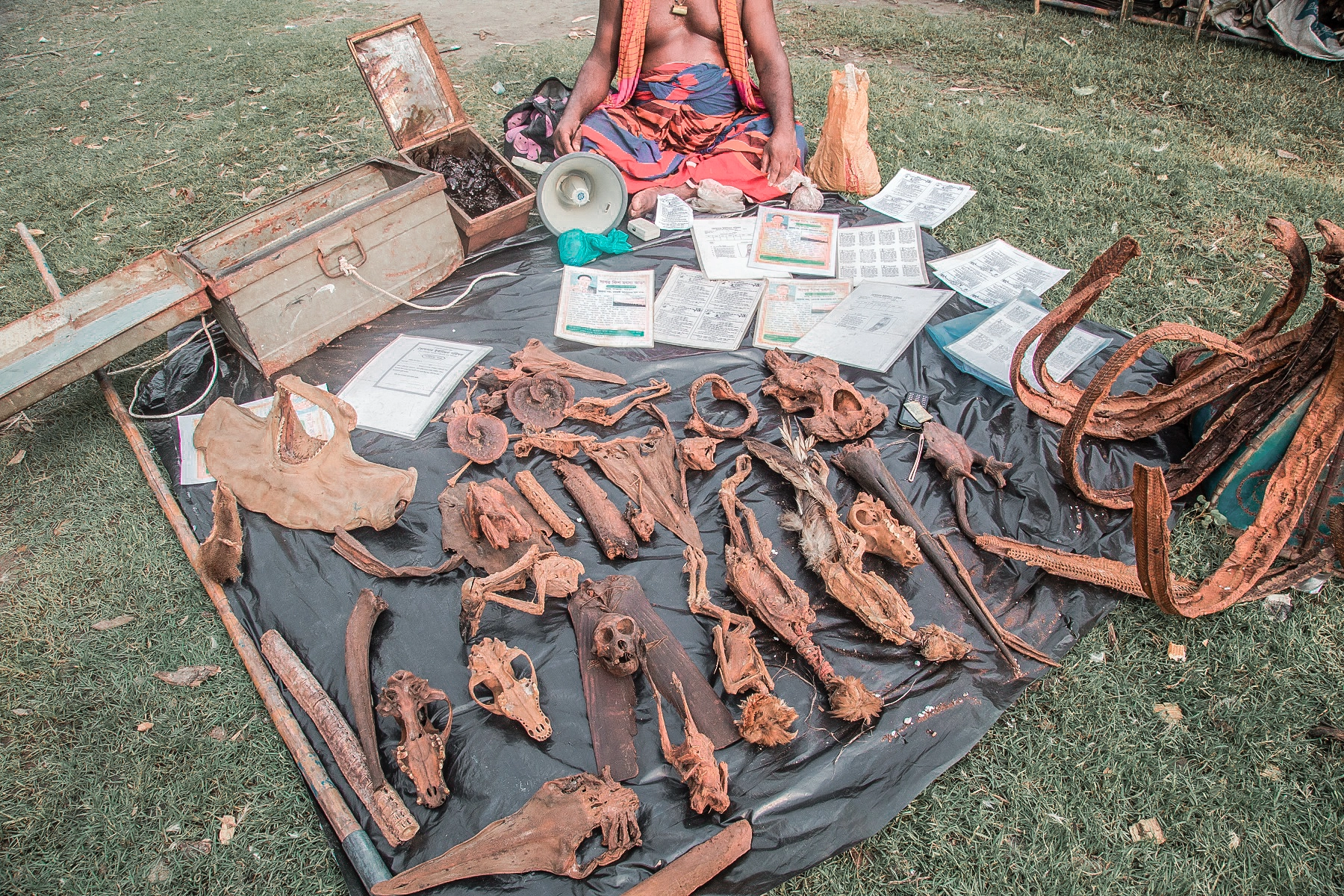
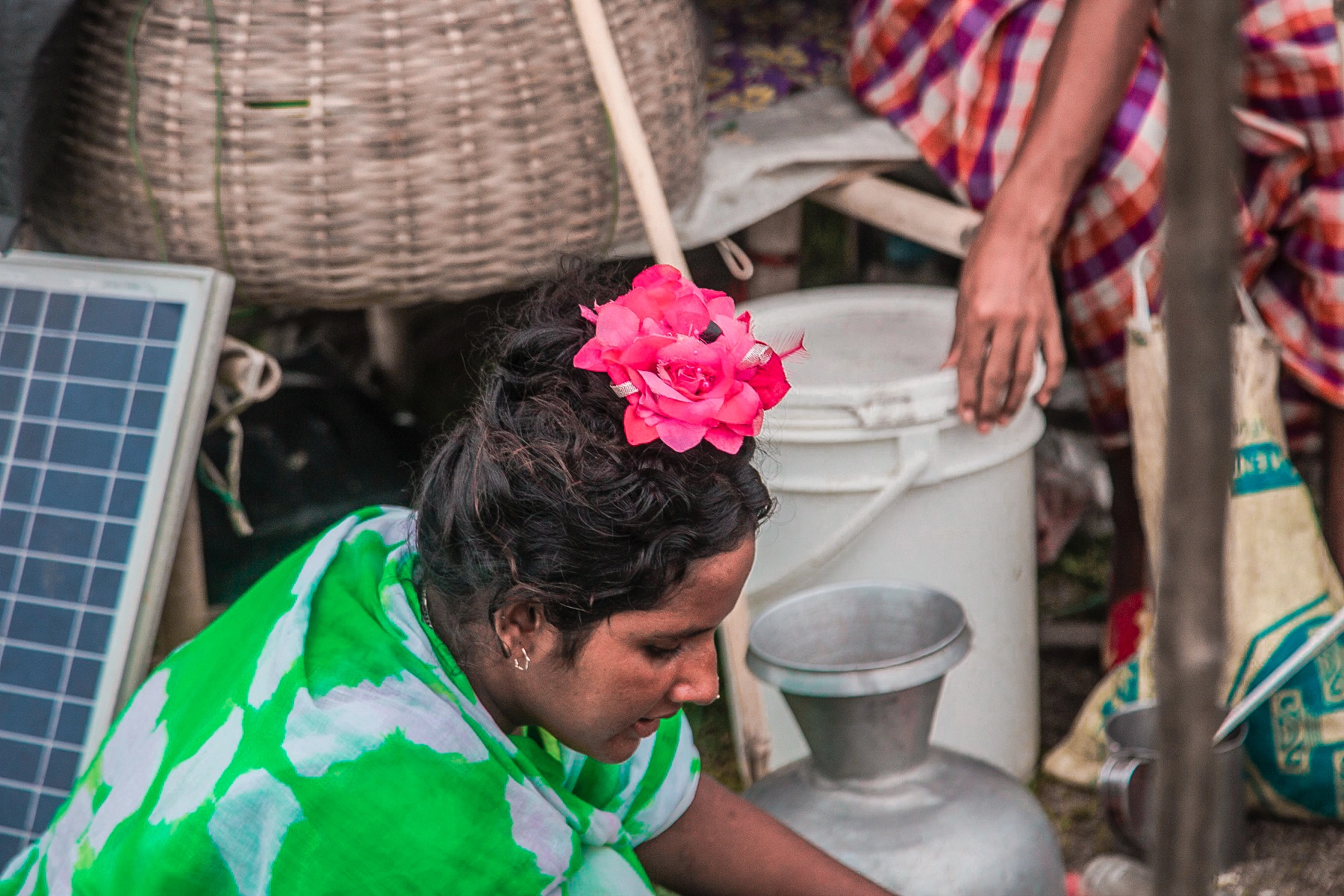
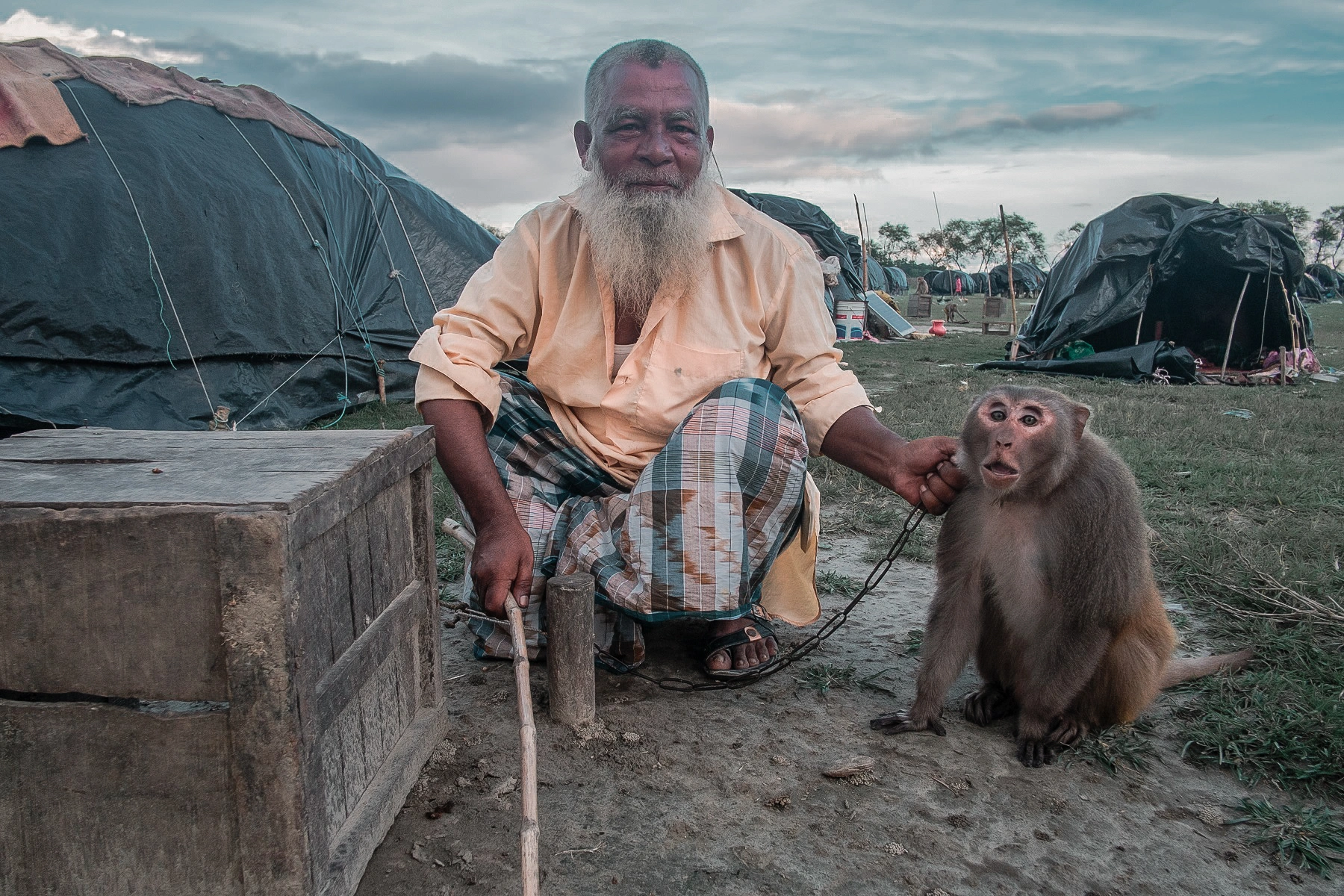
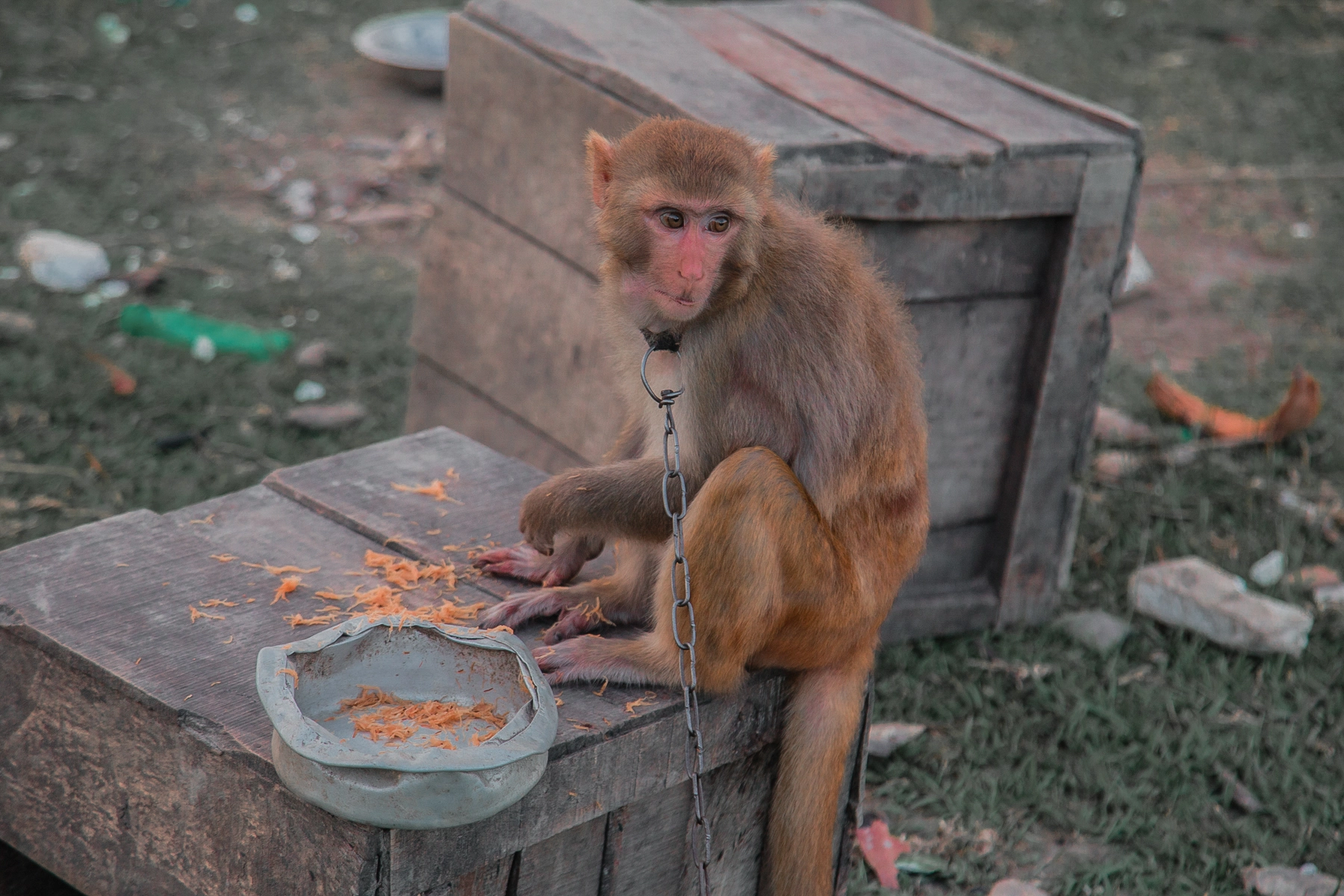
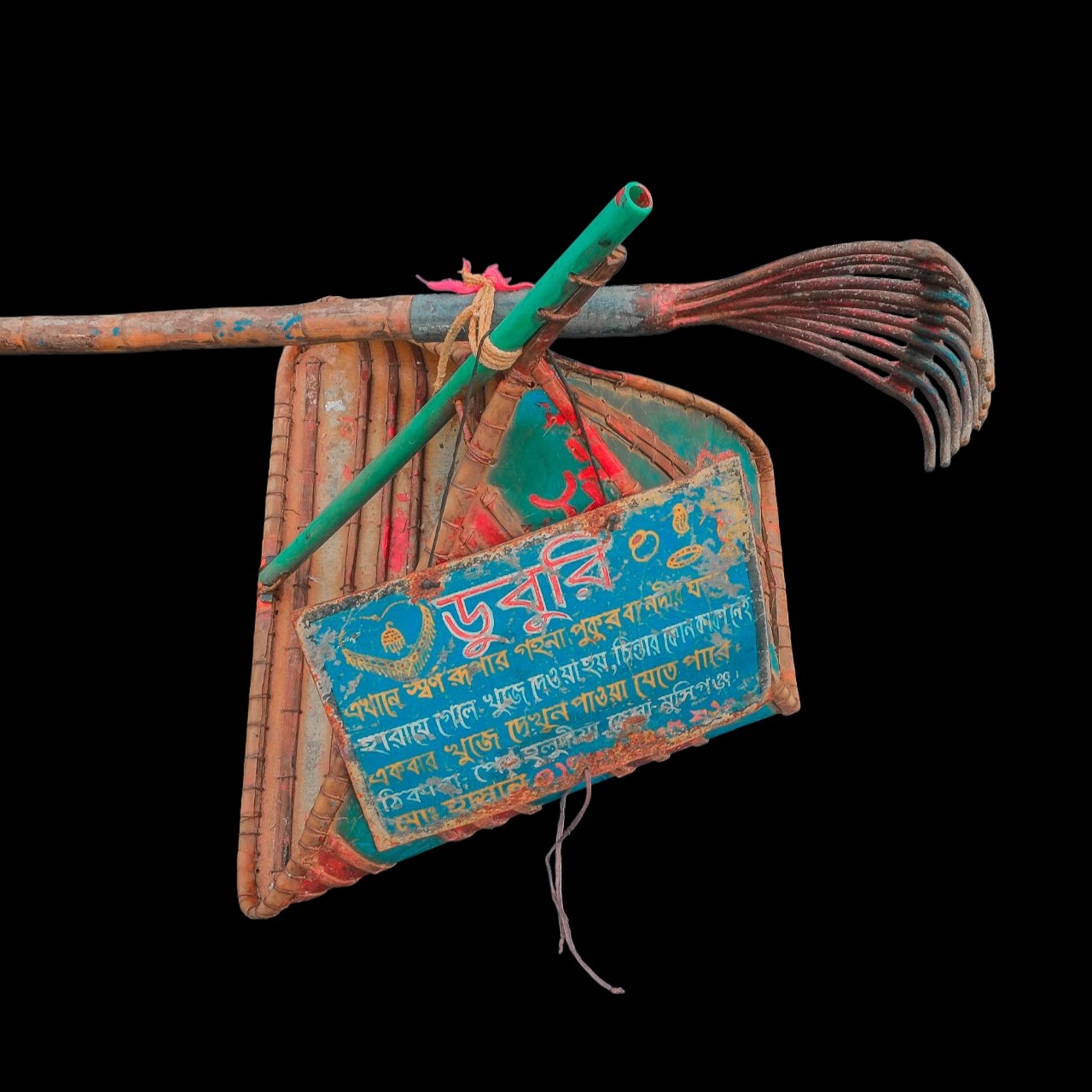
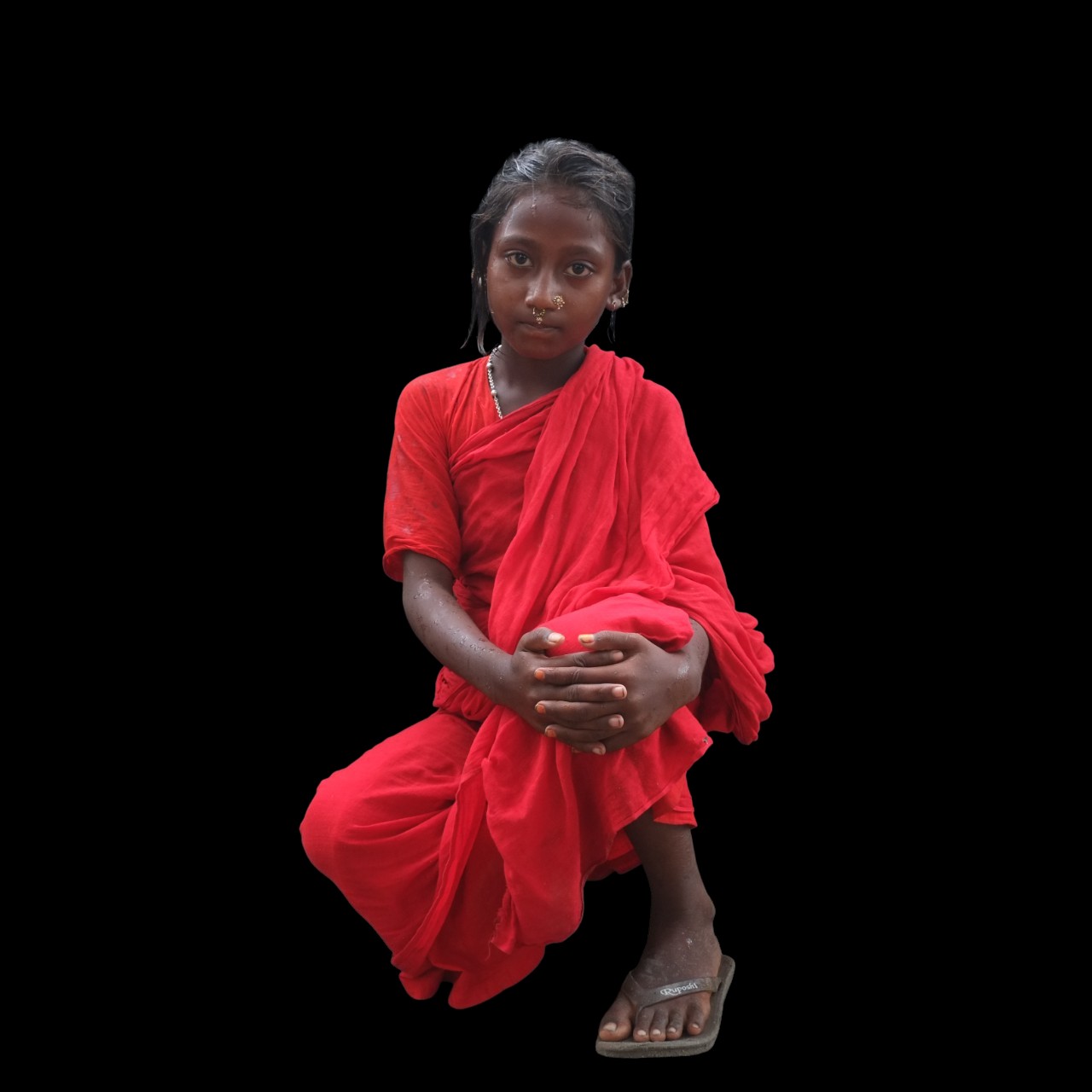
Culturally distinct and historically marginalized, the bede are largely known for their traditional roles as healers, snake charmers, monkey trainers, magic performers, or sellers of trinkets and age-old herbal medicine. While some perform during festivals and auspicious occasions through street magic or folk healing passing down through generations, the bede women- the primary bread-earners of their community, go from door to door to offer their ancestral mystic treatments and herbal medicines in the rural villages. In the rural area in Bangladesh, it is commonly believed that the Bede, hold the supernatural power, are capable to eliminate evil spirits and cure patients mystically.
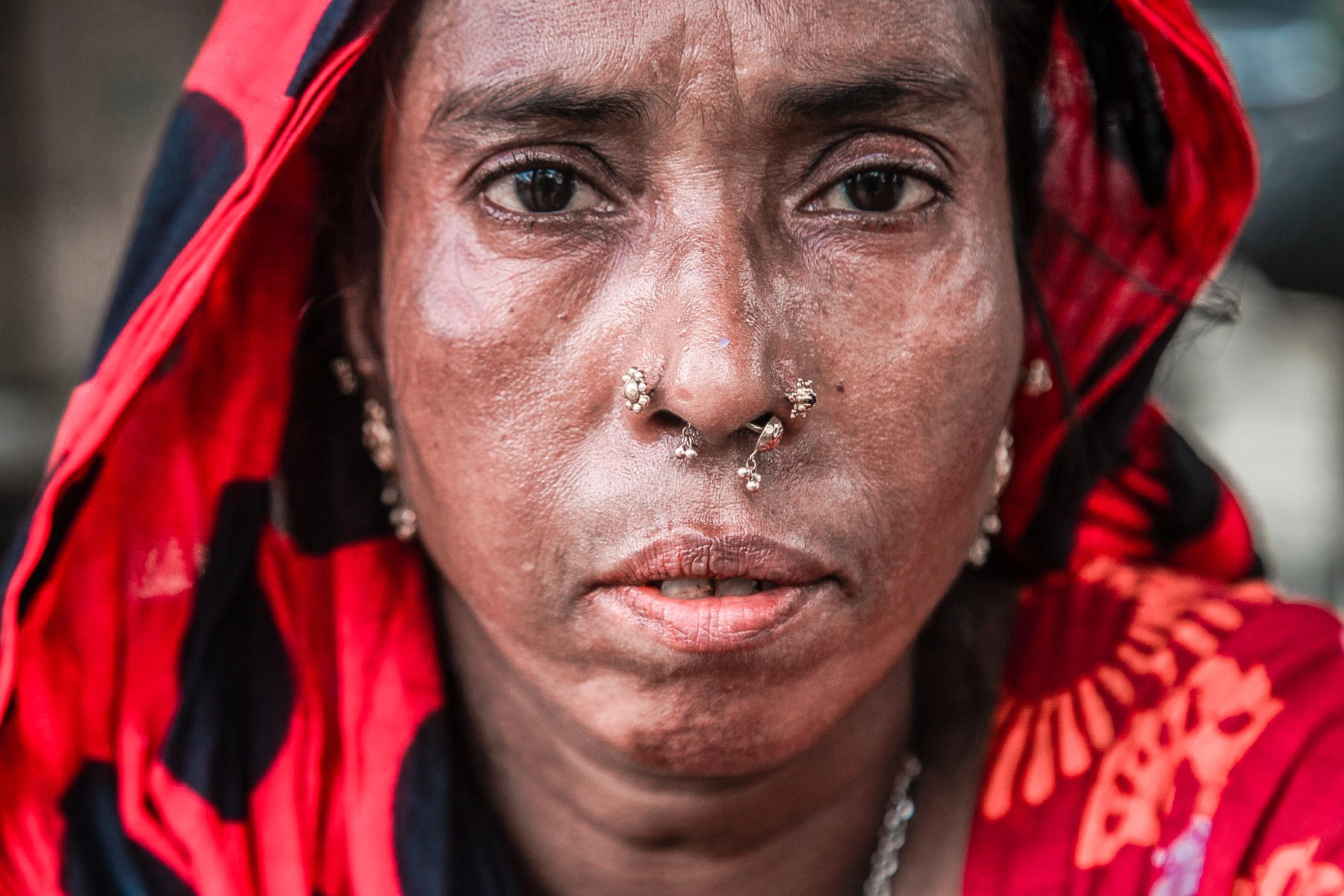
However, as Bangladesh modernizes and rural belief systems shift from superstition to science, their traditional professions have lost the old charm, compelling many into economic vulnerability and social exclusion. Once revered as spiritual healers, they now face skepticism and rejection from a society that no longer places faith in their ancestral practices. Today, many Bede women often travel along the busy streets of Dhaka and other urban areas, not as healers, but as beggars—struggling for survival in a world that no longer values their skills or traditions.
In the shadow of social neglect, most Bede are passionate about their centuries-old skills and healing secrets. They do not want to leave their ancestral lifestyle as they take great pride in their nomadic identity. Utmost belief in the destiny of wanderer’s life is the primary reason that they still follow their forefather’s footsteps in this era of modernization. This strong dedication to tradition leads to social and economic challenges. Still not officially recognized as an ethnic minority, they are severely excluded from all types of basic necessities of life such as food, health, education, shelter, medical care, legal protection etc. Without formal documentation or land rights, their citizenship remains in question, and their future increasingly uncertain. As a consequence, almost 98% of them are living under poverty level.
The Bede have no official alphabet. They practice or restore their language, tradition, custom, song, dance and culture through oral tradition, rituals, and performance across generations.
According to the estimates of the Department of Social services, there are around one million people in the bede community in Bangladesh. Stateless in their own land, they however, carry the torch of a vanishing heritage. They regularly cope with prejudice and disgrace to safeguard their centuries-old ancestral roots. Their constant tussle is not just one of survival, but of ethnic resistance: a quiet, persistent battle to conserve a way of life slowly being wiped out.
Gypsy-No Land to Call Home